
The news of Robin Williams’ suicide seems to be everywhere. It has left people confused and unable to understand why someone who seemed to have it all would suddenly take it all away. But we don’t know the inner turmoil he may have faced.
But the good news is that people who feel suicidal often leave us warning signs telling us of their intentions before anything ever happens. We just have to know those signs and listen closely.
The reality is, most people don’t want to die. They just want the pain to stop.
 “Suicide continues to be a national health issue,” said Christine Moutier, M.D., Chief Medical Officer of the American Foundation for Suicide Prevention. “At AFSP we advocate for greater investment in suicide prevention research and education in schools, communities, workplaces, and families.”
Risk factors for suicide are characteristics that increase the chance that a person may try to take her or his life. Suicide risk tends to be highest when someone has several risk factors at the same time.
According to the American Foundation for Suicide Prevention (AFSP), the most frequently cited risk factors for suicide are people with mental disorders, in particular:
- Depression or bipolar disorder
- Alcohol or substance abuse or dependence
- Schizophrenia
- Borderline or antisocial personality disorder
- Conduct disorder (in youth)
- Psychotic disorders; psychotic symptoms in the context of any disorder
- Anxiety disorders
- Impulsivity and aggression, especially in the context of the above mental disorders
- Previous suicide attempt
- Family history of attempted or completed suicide
- Serious medical condition and/or pain
It is important to bear in mind that the large majority of people with mental disorders or other suicide risk factors do not engage in suicidal behavior.
Most of the time, people who kill themselves also show one or more of the following warning signs before they take action:
- Talking about wanting to kill themselves, or saying they wish they were dead
- Looking for a way to kill themselves, such as hoarding medicine or buying a gun
- Talking about a specific suicide plan
- Feeling hopeless or having no reason to live
- Feeling trapped, desperate, or needing to escape from an intolerable situation
- Having the feeling of being a burden to others
- Feeling humiliated
- Having intense anxiety and/or panic attacks
- Losing interest in things, or losing the ability to experience pleasure
- Insomnia
- Becoming socially isolated and withdrawn from friends, family, and others
- Acting irritable or agitated
- Showing rage, or talking about seeking revenge for being victimized or rejected, whether or not the situations the person describes seem real
Individuals who show such behaviors should be evaluated by a mental health professional for possible suicide risk.
What to Do When You Suspect Someone May Be at Risk for Suicide
Take it seriously. About 50 percent to 75 percent of all people who attempt suicide tell someone about their intention. If someone you know shows the warning signs above, the time to act is now.
Ask Questions
Begin by telling the suicidal person you are concerned. Tell him specifically what he has said or done that makes you feel concerned about suicide. Don’t be afraid to ask whether the person is considering suicide, and whether he has a particular plan or method in mind. These questions will not push him toward suicide if he was not considering it.
Ask if he is seeing a clinician or is taking medication so the treating person can be contacted.
Do not try to argue someone out of suicide. Instead, let him know that you care, that he is not alone and that he can get help. Avoid pleading and preaching to him with statements such as, “You have so much to live for,” or “Your suicide will hurt your family.”
Encourage Professional Help
Encourage the person to see a physician or mental health professional immediately. People considering suicide often believe they cannot be helped. If you can, assist him in identifying a professional and in scheduling an appointment. If he will let you, go to the appointment with him.
Take Action
 If the person is threatening, talking about, or making specific plans for suicide, this is a crisis requiring immediate attention. Do not leave the person alone. Remove any firearms, drugs, or sharp objects that could be used for suicide from the area.
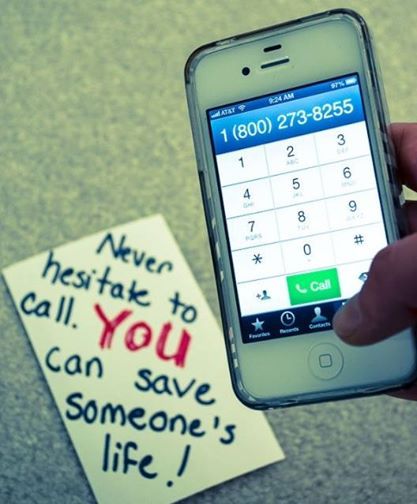
Take the person to a walk-in clinic at a psychiatric hospital or a hospital emergency room. Call 911 or the National Suicide Prevention Lifeline at 1-800-273-TALK (8255) for assistance.
Follow-Up on Treatment
Still skeptical that they can be helped, the suicidal person may need your support to continue with treatment after the first session.
If medication is prescribed, support the person to take it exactly as prescribed. Be aware of possible side effects, and notify the person who prescribed the medicine if the suicidal person seems to be getting worse, or resists taking the medicine. The doctor can often adjust the medications or dosage to work better for them.
Help the person understand that it may take time and persistence to find the right medication and the right therapist. Offer your encouragement and support throughout the process, until the suicidal crisis has passed.
The National Suicide Prevention Lifeline provides free and confidential, emotional support to people in suicidal crisis or emotional distress 24 hours a day, 7 days a week. Since its inception, the Lifeline has engaged in a variety of initiatives to improve crisis services and advance suicide prevention.
More than 150 crisis centers participate in the National Suicide Prevention Lifeline network. Each center receives calls from designated areas of the country, creating a nationwide coverage area.
The National Suicide Prevention Lifeline is 1-800-273-8255 (TALK).