

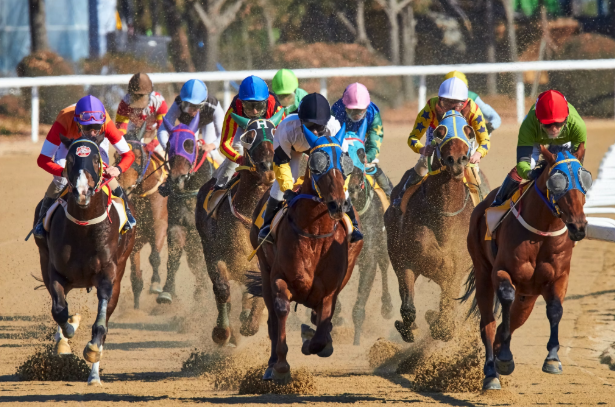
Key Storylines to Watch Ahead of the 2026 Preakness Stakes

The Preakness has its own mood, less chaotic than Derby week, not quite the release of Belmont. It sits in between, where expectations tighten, and plans are tested. This year that middle jewel feels even more unusual.
The 2026 running arrives with a different backdrop, track, and set of calculations for everyone involved. Laurel Park replaces Pimlico, reshaping both the setting and how the race may unfold.
Fresh horses may have an edge. Familiar names still loom. Nothing about this edition feels routine, and that’s exactly what makes the story around it so compelling.
A New Stage at Laurel Park Changes the Race
For the first time in over a century, the Preakness won’t be run at Pimlico. That alone gives it a slightly unfamiliar feel, and with Laurel Park in its place, the way the race unfolds could look noticeably different.
Track layout matters more than casual fans sometimes realize. Pimlico’s personality is familiar. Laurel asks different questions. The turns are broader. The homestretch gives runners more room to gather themselves and make one serious run at the front.
That shift could tilt the balance away from pure early speed. A horse that blasts to the lead and tries to steal the race may find the final furlong a lot less forgiving here. Closers, or at least horses comfortable stalking the pace, suddenly look more interesting.
Course familiarity only adds to that intrigue. Horses with experience at Laurel won’t be guessing about the surface or the rhythm of the track. They’ve already seen it, felt it, and handled it. In a race this compressed and this tense, little things like that stop feeling little.
The Rise of Automatic Qualifiers and Regional Contenders
The field is taking shape through prep races that now carry real weight, shifting the conversation well before entries are finalized. Automatic qualifiers are no longer background details; they’re central to the story.
Taj Mahal has forced his way into that discussion in emphatic fashion. His win in the Federico Tesio Stakes wasn’t the kind of performance people forget quickly. Winning at Laurel matters more this year than it usually would, and that local angle is very real.
Crupper brings a different profile out of Oaklawn Park, where his Bathhouse Row Stakes win confirmed his credibility. Oaklawn continues to produce runners who shape major races. Fans looking to bet on Preakness 2026 will likely track how early prep results shape projections ahead of the race. There will be plenty to watch in the weeks ahead.
Regional circuits feel more connected to the Triple Crown trail than ever, and it shows. A horse no longer needs to come from the obvious pipelines to factor in May; sometimes, the sharper angle develops just outside the spotlight.
Bob Baffert’s Return Brings Experience and Pressure
Bob Baffert’s presence tends to alter the emotional weather of a race. Even before post positions are drawn, he brings a certain gravity. Fans react to it. Rival trainers react to it. The market reacts to it, too.
That’s not just reputation talking. Baffert has spent years mastering the art of getting a horse ready for this exact kind of test. The Preakness isn’t a replica of the Derby, and his record shows he understands that better than most.
Distance, timing, pace pressure, recovery. He’s built a career on solving those equations before others have fully worked them out.
A deep bench makes him even more dangerous. One contender draws attention, but multiple live runners create real complications for the field, often shaping the pace before the race even settles. That tension is part of the appeal and part of the unease.
Fresh Legs vs. Tested Runners
One of the more interesting shifts around the modern Preakness is how trainers now treat it as a target rather than a follow-up. Skipping the Kentucky Derby once felt like stepping away from the spotlight; now it often reads as a measured, strategic call.
Freshness matters, and it shows. Derby runners carry the toll of a 20-horse field, while new shooters arrive cleaner and sharper, often making the difference late. River Thames and Ottinho fit that profile, and they likely won’t be alone.
A few reasons stand out:
- They avoid the physical drain of the Derby,
- Their training can be built specifically around Laurel,
- Their finishing energy may hold up better late.
None of that guarantees anything. Still, the logic is hard to ignore. Recent Preakness results have repeatedly shown fresher horses finishing strongest late. Trainers are increasingly building schedules around that pattern rather than tradition.
A More Intimate Preakness Experience
Laurel also changes the feel of the day itself. Pimlico at full volume can be overwhelming, even for people. For young horses, the noise and motion can turn the pre-race buildup into its own challenge.
This year’s smaller, more boutique atmosphere may calm some of that. Fewer bodies. Less roar. A little less sensory overload before the real work begins. That shift could help younger or more reactive horses settle earlier in the day.
That could matter more than people think. High-strung horses don’t always lose in the stretch. They can lose it earlier, in the paddock, or just before loading. A quieter environment gives some runners a better chance to settle.
That shift in mood reflects a broader change across the sport. Tracks beyond the traditional centers are gaining attention, and initiatives like the Oaklawn Racing Club show how regional racing is finding new ways to engage fans directly.
A One-Year Window Into a Different Kind of Preakness
That’s what makes this edition memorable even before it runs. Laurel is a temporary home, the atmosphere will feel different, and the strategic questions seem sharper. Familiar patterns remain, but not enough to bring comfort.
Some races arrive with certainty. This one doesn’t. It flickers and invites second guesses. A local runner could thrive, a fresh horse might surge late, or a powerhouse barn could step in and assert control.
That uncertainty is the whole draw. The 2026 Preakness may be a one-year detour, but it has the look of a race people will keep talking about long after the winner is gone from sight.
*Content reflects information available as of 20/04/2026; subject to change.