

Recovery home for women sues City of Texarkana, Ark., over zoning fight

TEXARKANA, Ark. – A nonprofit that runs a recovery home for women has sued the City of Texarkana, Ark., and three city officials in federal court, alleging they illegally blocked it from housing people recovering from addiction in a residential neighborhood.
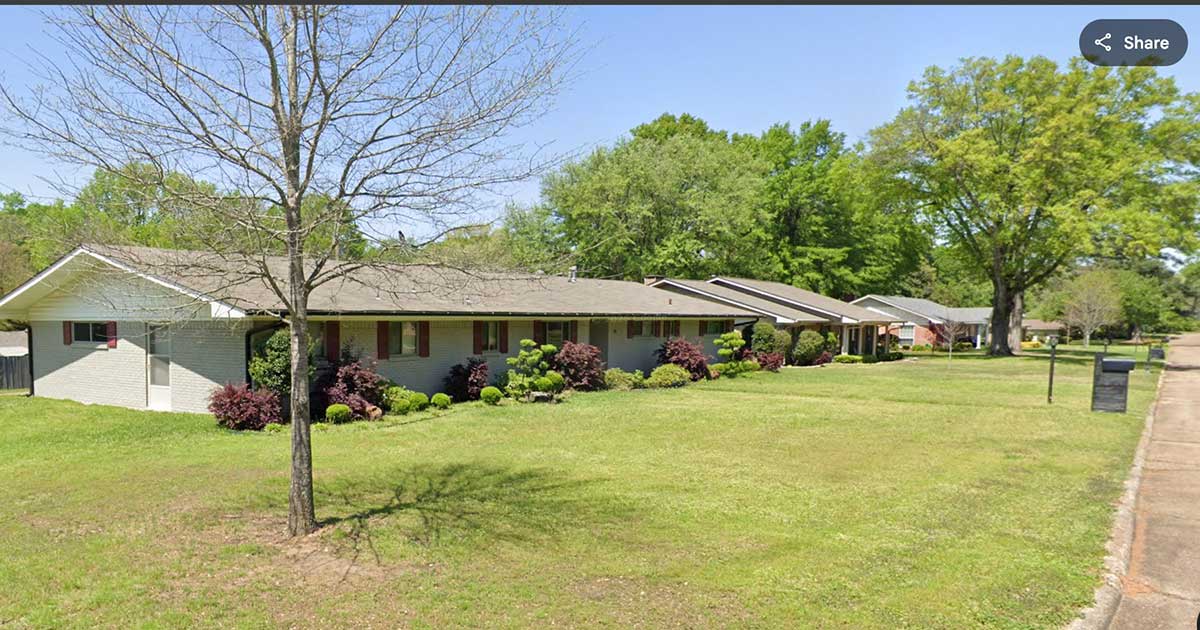
Helping Every Addict Recover Daily, known as HEARD, says in the lawsuit filed Sept. 21 that the city has kept its home at 14 Downing Drive to four residents for more than two and a half years. The home was bought with a $486,000 state grant to house 12 women.
The complaint accuses the city of a “sustained campaign of discrimination, coercion, and obstruction” that included threats to cut off the home’s utilities and to issue criminal citations. It also says the city Board of Directors voted in February 2025 against a settlement negotiated during a federal fair housing investigation, even though city staff and an attorney hired by the city recommended approving it.
Named as defendants are the city; City Manager Tyler Richards, who was the city’s public works director during much of the dispute; Planning and Zoning Officer Jamie Finley; and Ward 5 Director Danny Jewell. HEARD is seeking punitive damages from Richards and Jewell personally.
HEARD is represented by Kendall Lewellen of Legal Aid of Arkansas. The case is assigned to U.S. District Judge John Thomas Shepherd in the Western District of Arkansas.
‘Boarding house’
HEARD received its grant from the Arkansas Opioid Recovery Partnership in late 2023 and bought the four-bedroom, two-bathroom house on Downing Drive on Dec. 8, 2023, according to the complaint. The grant required the nonprofit to house 12 women by June 1, 2024. Residents were to pay monthly program fees that would cover household expenses and staff, including a peer support worker.
The house is in an area zoned R-2 single-family residential. City ordinances define a “family” as no more than four unrelated people living together. City officials classified the recovery home as a “boarding house,” which is allowed only in R-4 zones, according to the lawsuit.
HEARD says R-4 zones in the city are mostly in high-crime, impoverished areas, and that placing a recovery home there “would defeat the purpose of the program,” which depends on a stable neighborhood setting.
According to the complaint, Richards emailed HEARD Executive Director Carlotta Powell on Oct. 26, 2023, before the purchase closed, saying he had received “a number of inquiries” from neighbors and that “many folks in the neighborhood are concerned about a halfway house at this location.”
Three days after the purchase, on Dec. 11, 2023, Richards emailed Powell that the city would cut utility service to the house if residents moved in without Planning Commission approval, the complaint says. When HEARD’s attorney raised the federal Fair Housing Act, Richards replied that “the issue is a zoning matter and has nothing to do with the occupants,” according to the lawsuit.
HEARD applied to rezone the property to R-4 and, on Jan. 5, 2024, sent the city a written request under the Fair Housing Act for a variance or conditional use permit. The lawsuit says the city never responded to that request.
The Planning Commission unanimously denied the rezoning Jan. 9, 2024, after two residents spoke against it and cited a petition signed by about 90 neighbors, according to the complaint. The Board of Directors denied HEARD’s appeal Feb. 5, 2024.
The next day, the complaint says, Richards called Powell and told her to move the home’s three residents out within a week or the city would begin issuing criminal citations.
HEARD filed a complaint with the U.S. Department of Housing and Urban Development on Feb. 20, 2024. While that was pending, it limited the home to four residents and stopped charging program fees to avoid violating city ordinances.
Settlement rejected
In December 2024, a HUD investigator circulated a proposed settlement that would have allowed HEARD to house 12 women at the property, required city officials including Richards to attend fair housing training, and required the city to consider an ordinance allowing group homes in residential zones.
The board passed a group home ordinance on Dec. 17, 2024, creating a special use permit for group homes in residential zones. HEARD signed the settlement Jan. 27, 2025.
On Feb. 18, 2025, the Board of Directors considered a resolution authorizing the city manager to sign the agreement. Richards, who by then was city manager, presented it.
Annie Depper, a Little Rock attorney who represented the city in the HUD case, told directors by video that she had reviewed city emails, meeting minutes and meeting video and compared them with how courts handle fair housing cases.
“I became very concerned,” Depper said. “Very concerned at some statements that were made in emails, very concerned at some statements that were made at meetings.”
She said there was “a real risk” the city would be found liable if the case landed in court, and recommended the agreement. Under it, the city would not have admitted discrimination, and HEARD would have given up its right to sue. Only HEARD could have operated a group home at the address, and it would still have had to follow city building and fire codes, Depper said.
Several residents spoke against the agreement during the meeting, raising concerns about crime, relapse and property values. Depper told the board that arguments that people in recovery are more likely to commit crimes “can be seen as discriminatory” because people recovering from addiction are a protected class under fair housing law.
Jewell led the opposition. He said his primary duty was to “look out for these people that elected me and to worry about the finances as a secondary reason to enter into this agreement, which absolutely leaves all these people out.”
“The city has been scared, in my view … by a one-man HUD investigative team,” Jewell said, citing “the fear of having to pay a possible fine of up to a half a million dollars.”
Jewell acknowledged the city was at fault but said neighbors should not bear the cost.
“We caused this mess,” he said. “And I think it’s on us to fight it to the end, to go to court, whatever it takes.”
He told fellow directors that if they voted for the agreement, they should “look at these people and tell them that we really don’t care … We’re more worried about our finances than we are what this is going to do to your neighborhood.”
The resolution needed four votes and got three. Mayor Allen Brown, Ward 2 Director Laney Harris and Ward 3 Director Steven Hollibush voted for it. Ward 1 Director Terry Roberts, Ward 4 Director Ulysses Brewer, Jewell and Ward 6 Director Steve Smith voted against it.
After the vote, Smith said the city was “in the position that we’re in because of failed proper practice.”
“I just think as a board, as a city, as a community, we’re better than what we’ve been, and it needs to be corrected moving forward,” Smith said.
HEARD says it received notice on Feb. 26, 2026, that the U.S. Department of Justice would not file its own lawsuit, clearing the way for the nonprofit to sue.
‘Afraid to go outside’
The lawsuit says the dispute has cost HEARD at least $86,400 a year in lost program fees since February 2024 and left it unable to afford its peer support position. It says the nonprofit cannot apply for a planned grant to open a recovery home for men until the matter is resolved.
Because the home has not reached 12 residents, Powell, who personally guaranteed the grant, faces having to repay the full $486,000, according to the complaint.
The lawsuit also says neighbors have driven slowly past the house and photographed residents, leaving the women living there “afraid to go outside.”
The complaint alleges violations of the federal Fair Housing Act, Title II of the Americans with Disabilities Act, Section 504 of the Rehabilitation Act, the Arkansas Fair Housing Act and the Arkansas Civil Rights Act. People in recovery from substance use disorder are considered to have a disability under federal fair housing law.
HEARD is asking the court to order the city to let it house up to 12 residents and charge program fees, stop any enforcement action against the home, grant its accommodation request, and require city officials to complete fair housing training. It also seeks compensatory damages and punitive damages against Richards and Jewell.
As of Thursday, the city had not filed a response to the lawsuit.