

Texarkana Arkansas superintendent tells lawmakers one employee skipped verification in $286K email scam, was fired

LITTLE ROCK — A single employee who failed to follow existing verification procedures is responsible for the $286,213 lost to an email scam at the Texarkana Arkansas School District, Superintendent Dr. Lloyd Jackson told state lawmakers Thursday, and that employee was terminated in June 2025.
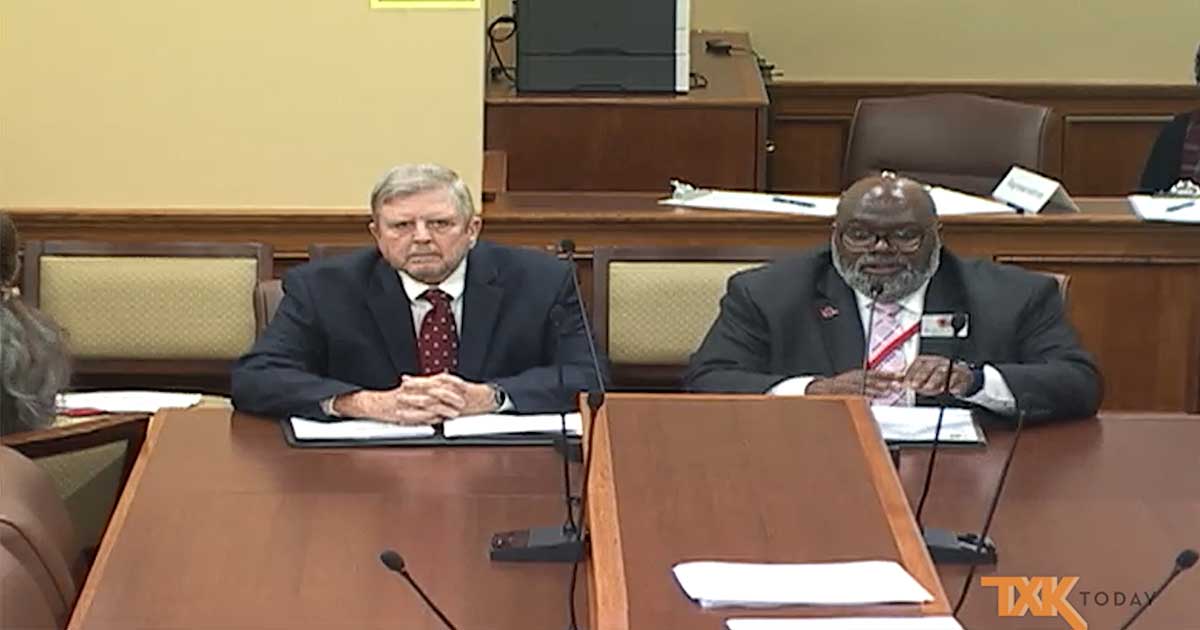
Jackson and school board President Jesse Buchanan appeared before the Legislative Joint Auditing Committee’s Educational Institutions Committee in Little Rock to answer for two findings in the district’s audit. No district representative attended last week’s meeting where the loss first surfaced publicly.
Jackson said the district already required staff to verbally confirm vendor banking information against what the district had on file, and that every vendor invoice lists the vendor’s ACH information. The employee handling the account changes did not make that call and did not alert district leadership until seven payments had gone out, he said.
“By then we were three months into these particular payments,” Jackson told the committee.
Once leadership learned of the fraud, the district worked with its bank to stop further payments and recover what it could, which is how $58,339 was returned, Jackson said. The employee was placed on leave while the district confirmed the loss was human error and nothing more, then disciplined and ultimately terminated.
Buchanan said Jackson notified the board the day he learned of the scam. The board reviewed its procedures and found nothing in policy that needed changing, since the verification steps were operating procedures already in place, he said. The board approved the disciplinary action in June 2025.
“So all that was done before the audit,” Buchanan said. He added that the district also notified its point of contact at Arkansas Legislative Audit when the loss happened.
The committee chairman asked Jackson whether the district’s procedures were sound and simply were not followed. Jackson agreed.
Under the changes since the scam, any verification of a vendor banking change must now be shared with the district’s chief financial officer before the change is made, and the CFO may call the vendor again to confirm. Jackson said the district’s chief operating officer is also now involved in verification.
Rep. Long asked whether the district requires two signatures on large payments. Jackson said it does: his own and the board secretary’s as treasurer. Long pointed out that the person bringing the payments to them for signature was the same person responsible for verifying the bank information, and Jackson agreed.
Co-Chair Duke asked about staff training. Jackson said the district now sends scam alerts and test emails to staff, includes the board on those communications, and sends board members a regular newsletter with reminders. He said some of his first calls after discovering the fraud were to fellow superintendents in the district’s education cooperative, and that the issue has been discussed in co-op meetings since.
Jackson said this was the first time he had dealt with such a scheme. He said he had heard of it happening but did not realize how often it was happening in Arkansas until other districts and colleges reported similar losses afterward.
Rep. Mayberry noted that Texarkana is not the first district hit and asked whether lawmakers could see a running total of public money lost to similar scams. A Legislative Audit staff member said a similar report was provided to the committee within the past year or so, and that losses are also totaled in the agency’s year-end prosecuting attorney disposition report.
The committee also took up a second finding involving magnet school funds. Jackson said a district employee drew down a year-to-date amount rather than the amount actually owed. The district stopped further drawdowns and spent down the balance, and now requires the magnet coordinator and chief of schools to check the figure before it reaches the CFO.
The committee accepted the audit report and filed it without further action.