

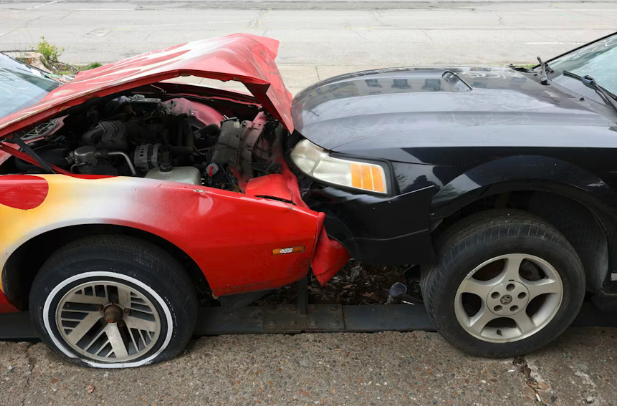
More than 36,000 people are estimated to have died in U.S. traffic crashes in 2025 alone, according to the National Highway Traffic Safety Administration. Those numbers are not just headlines. They represent real families whose lives changed in seconds.
Your next move after a crash can shape what happens next. Serious road accidents are chaotic. Clear, step-by-step actions help protect your health, your rights, and your financial future.
Ensure Safety and Call Emergency Services
Your first priority is safety. Check yourself and your passengers for injuries. Then call 911 right away.
Emergency response time matters, especially when internal injuries are not visible. Even if everyone feels fine, first responders should assess the scene.
Move vehicles out of traffic only if it is safe to do so. Turn on hazard lights and use warning triangles if available.
Seek Medical Evaluation Even If You Feel Fine
Adrenaline can mask pain. Many serious injuries, including concussions and internal bleeding, only show symptoms hours later.
Also, immediate medical care protects more than your health. It creates documentation that connects your injuries directly to the crash.
Follow up with your primary care provider after the emergency visit. Keep copies of every diagnosis, bill, and discharge instruction.
Document the Scene Thoroughly
Strong documentation protects you if disputes arise. Insurance companies and attorneys rely heavily on the information you gather in the first hour.
Before leaving the scene, collect the following:
- Photos of vehicle damage from multiple angles
- Close-ups of license plates and insurance cards
- Images of road conditions, traffic signals, and debris
Exchange contact and insurance details with all drivers involved. Ask witnesses for their names and phone numbers, since neutral third-party accounts can clarify what really happened.
Report the Crash and Communicate With Care
Notify your insurance company as soon as possible. Provide clear facts about time, location, and vehicles involved.
Insurance companies handle a high volume of serious injury claims every year. Careful communication helps avoid delays or disputes about fault and damages.
Avoid speculating about blame or minimizing your injuries during early conversations. Statements made in the first few days can influence the entire claim.
Seek Local Legal Guidance for Complex Accidents
Serious truck accidents are far more complex than standard crashes. In the United States, commercial trucking is regulated by strict federal safety rules, including driver hour limits, vehicle maintenance standards, and cargo requirements. In states like Colorado, and particularly in cities such as Denver, these cases often involve multiple liable parties, including the truck driver, trucking company, and insurers.
Failing to secure critical evidence like black box data, driver logs, and surveillance footage can significantly weaken your claim and reduce the compensation you may recover. Because of these complexities and the high financial stakes involved, legal guidance becomes essential.
If you were involved in a truck accident in Denver, working with an attorney who understands trucking regulations, local laws, and accident investigations is critical to avoid costly mistakes and protect your claim.
Early legal support can help preserve key evidence, handle insurance disputes, and position your claim for maximum compensation.
Taking Control After a Serious Road Accident
A serious road accident can disrupt your health, finances, and daily routine in an instant. Taking structured steps, seeking medical care, documenting everything, and consulting knowledgeable local counsel puts you in a stronger position.
Has this post been helpful? If so, be sure to take a look at some of our other insightful articles!