
Today we’re launching 11 for 11, a TXK Today series remembering Texarkana-area veterans through America’s wars. A new story every day through Veterans Day.
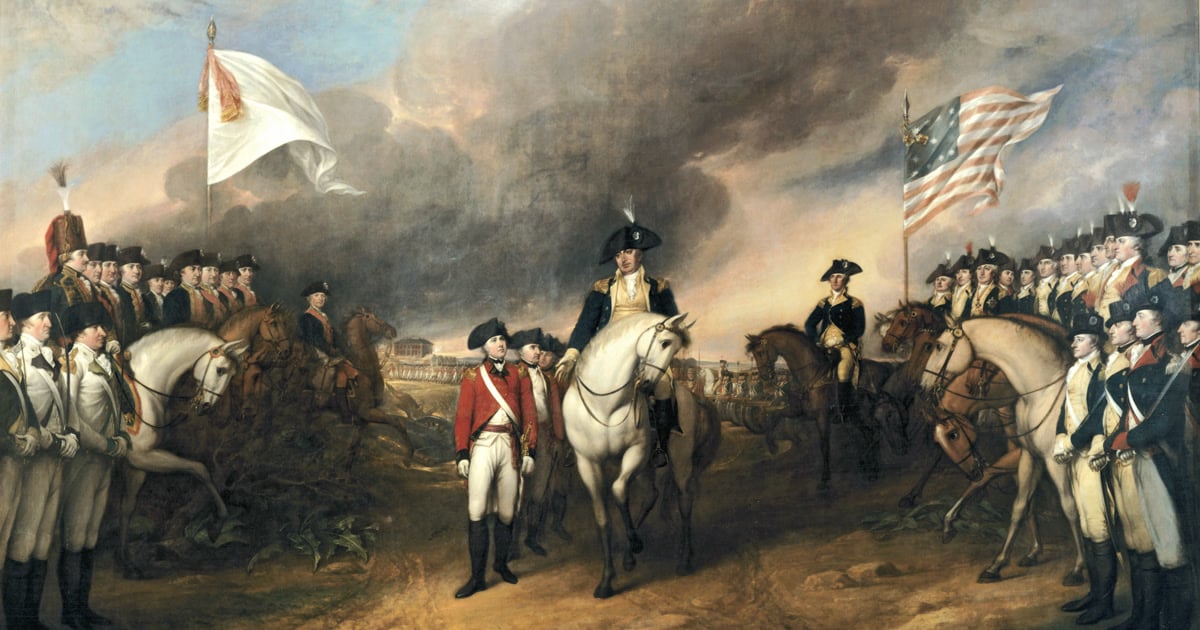
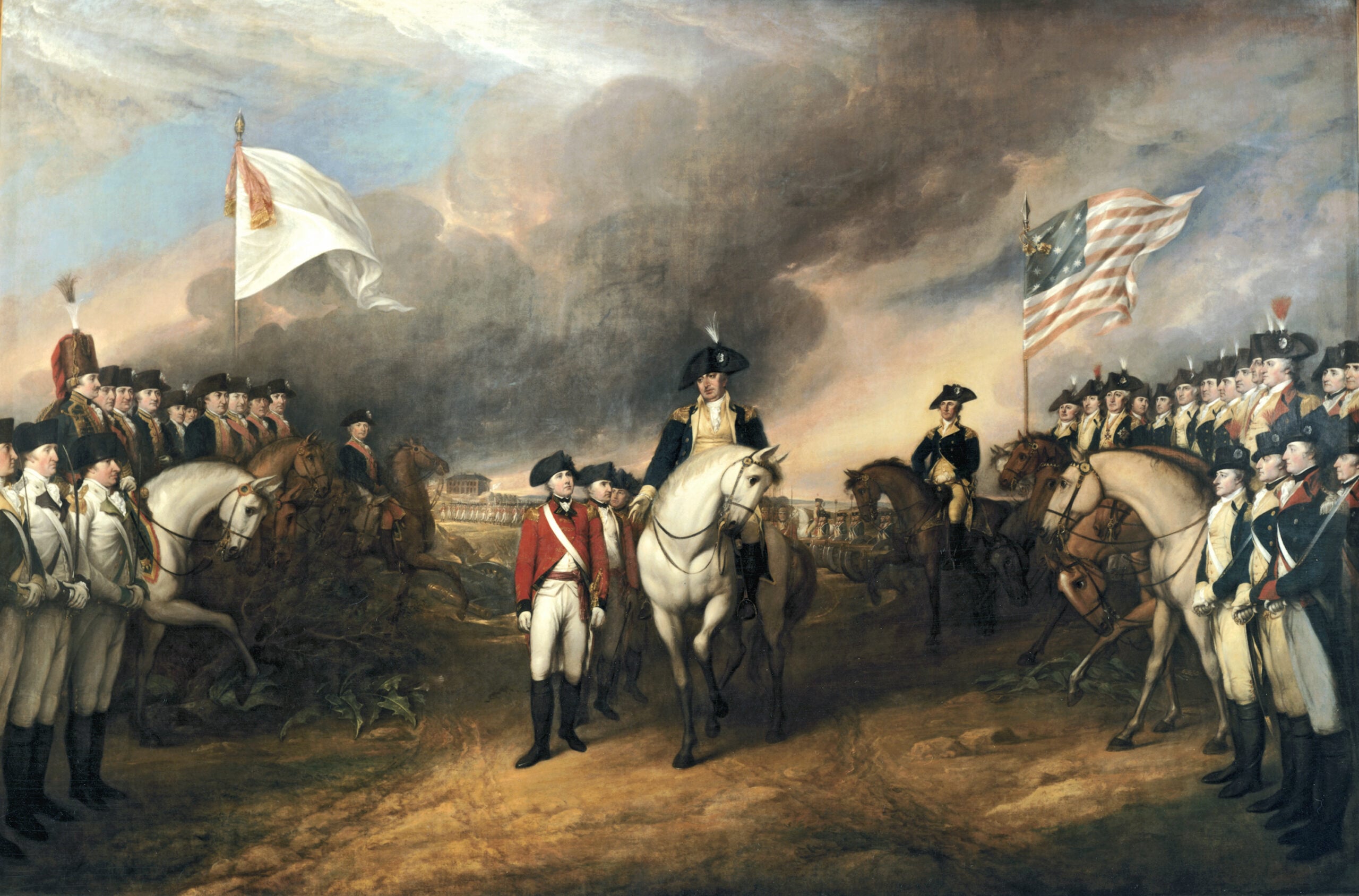
In October 1781, a 22-year-old Virginia militiaman named Evan Thomas Watson was at Yorktown when the British army under Lord Cornwallis surrendered. Fifty-three years later he died on a Red River homestead in what is now northern Bowie County, Texas.
He is the only Revolutionary War veteran known to be buried in Bowie County, according to the National Society of the Sons of the American Revolution, or SAR. But no one is sure where the grave is. Published accounts have placed it under Wright Patman Lake. His descendants say the family’s own records point instead to a burial plot on the Red River homestead, north of today’s Hooks and Leary, and that the lake story rests on land the family received after he died.
We start with Watson because he is the earliest American veteran known to rest in this county.
Five tours, in his own words
Most of what is known about Watson’s service comes from him. On Aug. 29, 1833, he told the circuit court of Warren County, Ky., his story to apply for a federal pension. A clerk wrote it down in the third person, and Watson signed it. The file, No. S. 30770, is at the National Archives.
He said he was born Jan. 11, 1759, in Albemarle County, Va. He served five short militia tours, four as a draftee and one as a substitute for a man named John Martin.
On his first tour, in the fall of 1777, he guarded the Virginia coast near Hampton and saw the British fleet under Lord Howe pass, he said.
In the fall of 1778 he was drafted again, drew arms at Richmond and marched under Capt. Mark Leek to Cabin Point on the James River, where the company joined Gen. Benjamin Lincoln’s army for about 40 days of guard duty, the declaration says.
In 1781 the war came to Virginia. Watson joined the Marquis de Lafayette’s army near Richmond as it fell back before Cornwallis, then served on the guard of the new governor, Thomas Nelson Jr. He went back out as a substitute and spent 63 more days with the army around Williamsburg.
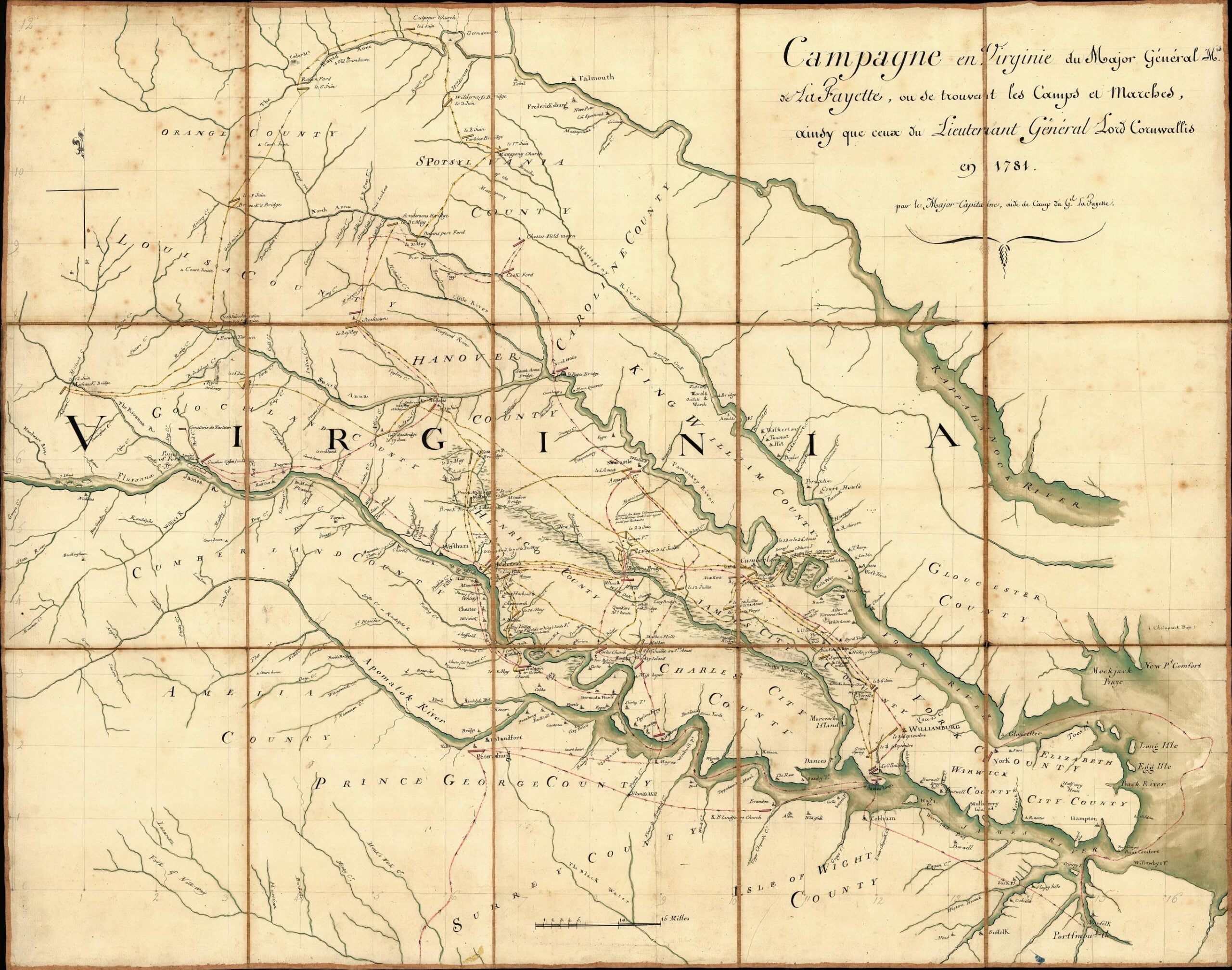
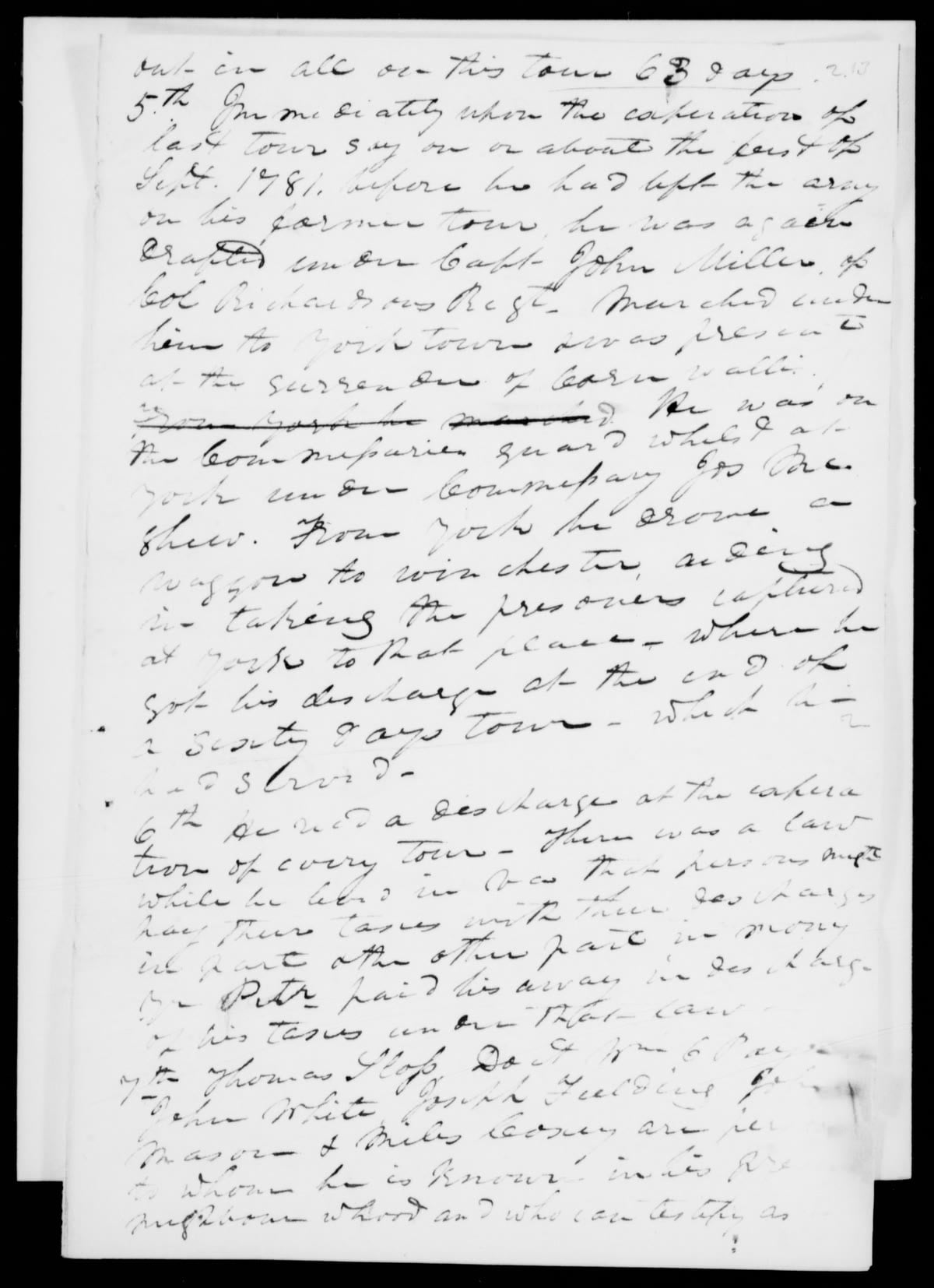
His last tour began about Sept. 1, 1781, before his substitute tour had ended. He was drafted again, under Capt. John Miller of Col. Holt Richardson’s regiment, and “marched under him to Yorktown & was present at the surrender of Cornwallis,” the declaration says. Afterward he drove wagons hauling British prisoners to Winchester, Va.
John Gillum of Logan County, Ky., swore in 1832 that he believed he had seen Watson in the army twice, “once at Williamsburg and once at York town during the Siege of Cornwallis,” and that at Yorktown “he is certain he saw him,” according to his affidavit in the pension file.
Watson asked for credit for nine months and eight days. The government allowed seven months and pensioned him as a private at $23.33 a year, backdated to March 4, 1831. A Treasury Department letter in the file, dated 1840, shows the pension was paid through June 15, 1834, the day he died.
Arkansas Territory, on the Texas side
Less than a year after that Kentucky court date, Watson was dead on the Red River, on what is now the Texas side of the state line. The family arrived in the fall of 1833 and settled and improved land in the Hickman’s Prairie community along the river, in what is now northern Bowie County, according to a fourth-great-grandchild who contacted TXKtoday with the family’s records. That is where the family was farming when Evan Watson and several other family members, among them Jesse, William and Evan Jr., died before 1835. Evan Watson had married Lucy Coleman in Albemarle County, Va., in 1795, according to SAR records. A son who carried her maiden name, Coleman Watson, was among the survivors; a “Coalman Watson” was called for jury duty in Miller County in June 1835, according to county court records Pat B. Clark published in 1937.
The family had company. Collin McKinney, the Red River settler who later signed the Texas Declaration of Independence and gave Collin County its name, was Evan Watson’s brother-in-law and his neighbor at Hickman’s Prairie at the time of his death, the descendant said.
The SAR records his death in Miller County, Ark., even though the spot is in Bowie County, Texas, today. In 1834 that was accurate: Arkansas Territory claimed the land south of the Red River, including the Hickman’s Prairie settlements, as part of its original Miller County.
Arkansas Territory created Miller County on April 1, 1820. It took in most of today’s Miller County plus all or part of 11 future Texas counties, including Bowie, according to the Handbook of Texas. Mexico claimed much of that land. The Encyclopedia of Arkansas calls it technically under Mexican jurisdiction but not really controlled by any country. Settlers sent representatives to Little Rock anyway.
Texas independence in 1836 ended the arrangement. Arkansas abolished that first Miller County in 1838. Texas created Bowie County in December 1840, and when Texas joined the Union in 1845, that boundary became a state line. Today’s Miller County, Ark., was created in 1874.
Under the lake, or on the Red River?
Watson was buried in the Wright Family Cemetery near Maud, according to the SAR. That ground ended up in the Sulphur River valley that the U.S. Army Corps of Engineers turned into a reservoir. Filling began June 27, 1956, according to the Handbook of Texas. First called Lake Texarkana, it was renamed for U.S. Rep. Wright Patman by an act of Congress signed Dec. 15, 1973, while Patman was still in office.
The family’s chronology tells a different story. In 1838 the Republic of Texas issued headright certificates to the surviving Watsons, including Coleman Watson, and to Evan Watson’s estate. Those certificates were later surveyed on available land farther south, along the Sulphur River near today’s Maud. Evan Watson had been dead for four years by then. The surveys show where the family’s land ended up, not where he lived or was buried, the descendant said. The published accounts, the family believes, have conflated the family’s original homestead with its later holdings, and the error has been repeated as fact.
The Texas Society SAR says his grave “was lost when the Sulphur River was flooded to make Lake Wright Patman.” The national society’s record says the actual burial site is unknown. An unknown grave is not the same as a grave under the lake, and the family’s records argue for the Red River homestead instead. The precise grave locations of Evan, Jesse, William and Evan Jr. remain unconfirmed.
Another record also points away from a simple answer. A Bowie County cemetery list compiled by genealogy volunteers says graves from a Watson family cemetery were moved to Center Ridge when the lake was built. Whether that Watson cemetery and the Wright Family Cemetery named by the SAR were the same ground, and whether either held Evan Watson, is not clear from the records. The Corps of Engineers was carrying out “judicial proceedings for cemetery relocations” for the reservoir in 1953, the Bogata News reported. TXKtoday has not found the Corps’ relocation records.
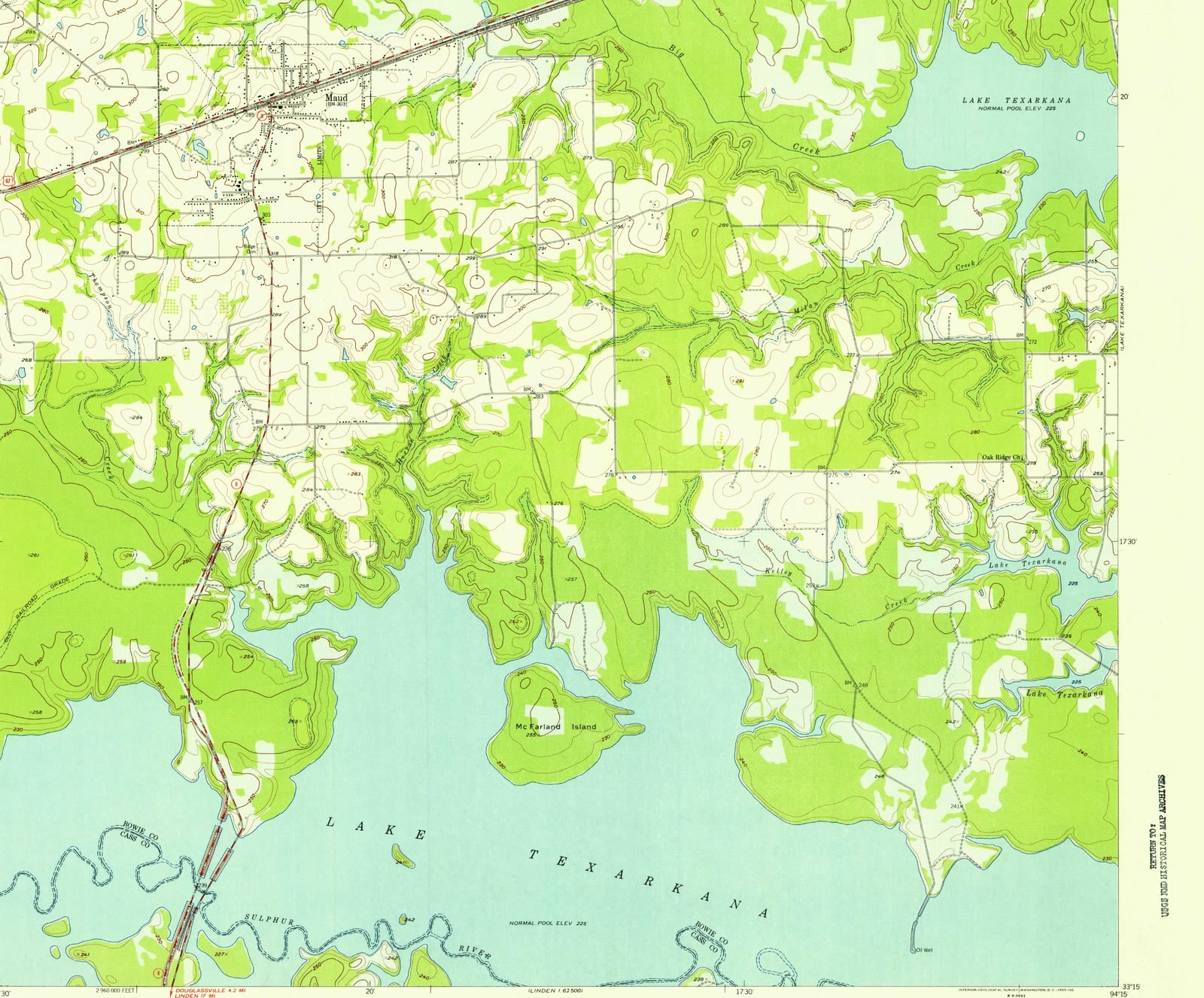
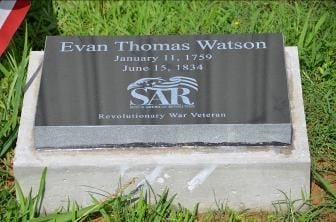
On June 1, 2024, North Texas chapters of the SAR gathered at Center Ridge Cemetery, on Texas 8 in Maud, to dedicate a granite SAR marker for him. It is a cenotaph, a memorial stone placed away from the grave. A color guard fired a musket salute, a piper played and Watson family members received a memorial certificate, according to the society’s newsletter, The Texas Compatriot. Meg Anderson, regent of the Lucretia Council Cochrane Chapter of the Daughters of the American Revolution, read a short biography of Watson. The stone gives his birth date as Jan. 11, 1759, the same date he gave in his pension statement and the date in the Daughters of the American Revolution’s record of him.
The 2024 stone was not the first local tribute. On Oct. 20, 2017, Red Lick ISD held a ceremony at its school on FM 2148 in northern Bowie County to honor Watson and unveiled a blue cast-metal marker, according to the printed program. Teacher Charissa Tinney had her students study the Revolution and Watson, Boy Scouts presented the flags, the middle school band and third graders performed, and Don Thomson spoke for the Watson family. The marker, which still stands in a flower bed outside the school, says it was placed by “his family and friends with special thanks to the Red Lick Independent School District and the Sons of the American Revolution.”
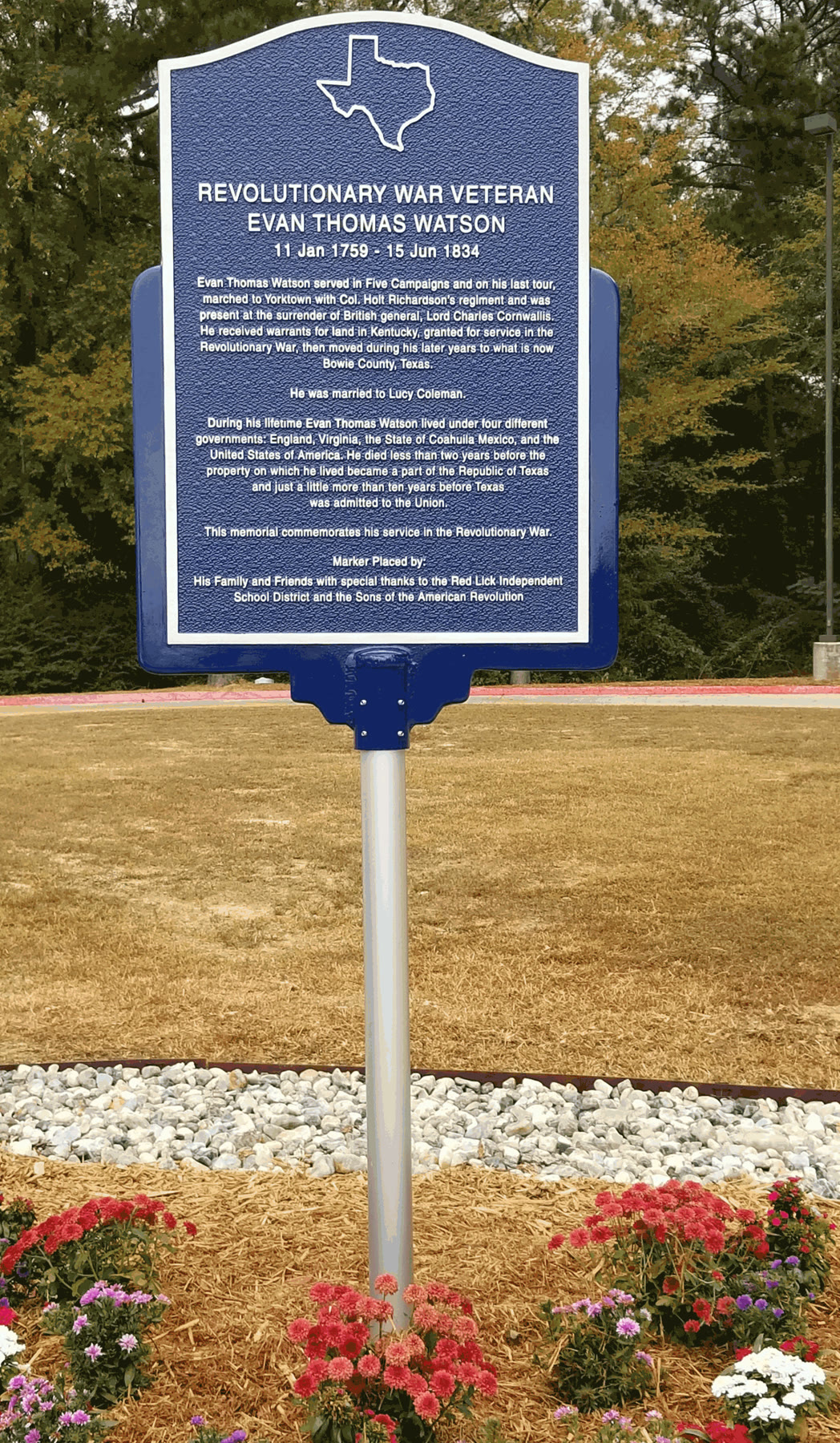
The marker also says Watson received Kentucky land warrants for his Revolutionary service. The pension file reviewed by TXKtoday does not mention land warrants.
He is one of 59 Revolutionary War veterans known to be buried in Texas, according to the SAR.
His neighbors from the Revolution
Watson was not alone in the Red River country. The Texas SAR lists five Revolutionary War veterans in neighboring Red River County. One, William Blevins, was honored in Clarksville the afternoon of Watson’s ceremony. Another, John Tollett Sr., died in 1824 in what was then “Old Miller County, Arkansas.” The others are Benjamin Clark, James Potter Collins and David Strickland, whose grave at Pecan Point was lost to the Red River.
In Hempstead County, Ark., the SAR marked the graves of three more veterans, Eli Collins, John Holman and James Williams II, at Pioneer Cemetery in Washington on Nov. 2, 2024.
Bowie County also carries a Revolutionary name of its own. DeKalb is named for Johann de Kalb, the Bavarian-born general known as Baron de Kalb, who died Aug. 19, 1780, of wounds received at the Battle of Camden in South Carolina. Some county histories say David Crockett suggested the name when he passed through in 1835, according to the Handbook of Texas.
Are you descended from Evan T. Watson, or from the families of Hickman’s Prairie on the Red River? Do you have photos or family stories of the Red River or Sulphur River bottoms before Wright Patman Lake? We’d like to hear from you.
Correction, Nov. 2, 2026: An earlier version of this story said Watson died on the Sulphur River near Maud and that his grave may lie under Wright Patman Lake. A descendant, citing family and land records, says the Watsons settled at Hickman’s Prairie on the Red River in 1833, that Watson died there in 1834, and that the Sulphur River land came from 1838 Republic of Texas headright grants surveyed after his death. The story has been revised to reflect that chronology.