

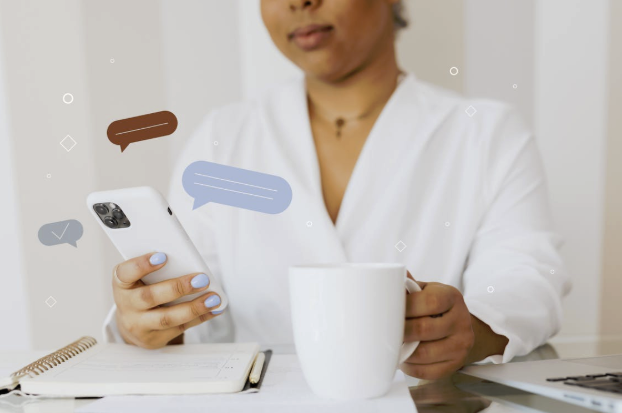
The era of the “unopened email” has forced political strategists to find a new way into voters’ pockets. While social media algorithms fluctuate and television ads are increasingly ignored by streaming-native generations, the humble text message has quietly taken over. There are 23 billion text messages sent every day across the globe, and for a campaign trying to cut through the noise, that direct line is more valuable than any billboard.
The Mobile Movement
The shift toward mobile-first communication isn’t just about convenience. It is about the fundamental way people consume information in 2026.
Data shows that 82% of consumers read texts within five minutes of receiving them. This immediate visibility allows a candidate to respond to breaking news or a late-breaking scandal before the evening news even hits the airwaves.
The Infrastructure of Instant Mobilization
Modern campaigns rely on specific digital tools to maintain this pace. Choosing a voter outreach texting platform ensures that volunteers can manage thousands of conversations without losing the personal touch that defines a successful ground game. These platforms manage backend compliance to prevent messages from being flagged as spam by major carriers.
Building a rapport with a constituent requires more than just a blast of text; it requires a strategy that respects the medium. Unlike email, where a user might sift through hundreds of promotional messages, the SMS inbox remains a private space. When a campaign enters that space, they have a limited window to prove their value.
Diversifying the Digital Ground Game
There are several ways this technology changes the daily workflow of a campaign team:
- Coordinating local volunteers for last-minute door knocking
- Sending automated reminders for early voting deadlines
- Providing direct links for rapid-response fundraising efforts
The speed of the cycle demands these instant touchpoints. If a candidate performs well in a debate, the window to capitalize on that momentum is measured in minutes, not days. By the time a physical mailer arrives in a voter’s mailbox, the conversation has already moved on to the next headline.
Bridging the Rural and Urban Divide
The ability to reach specific demographics is another reason why this medium is currently king. Rural voters with limited high-speed internet access can still receive a text message as easily as someone in a high-rise downtown. This makes SMS the great equalizer in modern outreach because it does not require a high-end smartphone or a massive data plan to be effective.
In fact, field experiments show that text message reminders can increase voter turnout by 9.3% on average. This surge in text-based communication is part of a larger trend toward decentralized, peer-to-peer campaigning. It allows the voter to feel like they are having a conversation with a human being rather than being shouted at by a brand or a pre-recorded robocall.
As we look toward the 2026 midterms, the campaigns that master the art of the 160-character message will be the ones that hold the most influence on election night. They will have the data, the speed, and the direct access required to pivot when the political winds shift. In addition to juggling other responsibilities, like engaging audiences on Instagram, SMS retains a place in the modern political arena.
Direct Connection To The Digital Voter
The landscape of political communication will continue to evolve as new technologies emerge. However, the intimacy and urgency of a text message provide a level of connection that other platforms simply cannot replicate. We’ve got plenty more coverage of modern communications topics and associated tech talking points on our site, so even if politics isn’t your thing or the SMS seems stale, you should still check out our other posts.