

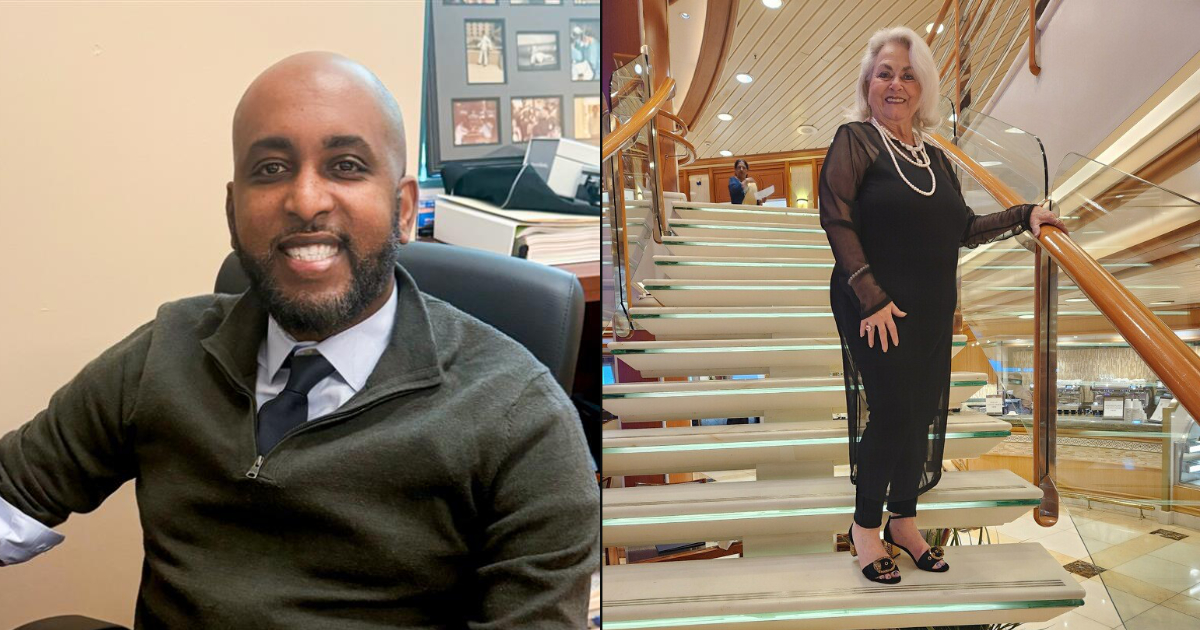
An avid dancer for years, Judy Davis was sidelined from the dance floor after painful bone spurs kept her from her joyful activity.
Bone spurs are a common orthopedic condition that can significantly impact quality of life, often developing due to aging, arthritis, or repetitive stress.
While many bone spurs go unnoticed, others—like the ones Davis, a CHRISTUS St. Michael patient, experienced—can be debilitating. She said she suffered from painful bone spurs on the tops of both of her big toes, making it unbearable to wear closed-toe shoes or even tolerate the touch of bed sheets.
“I was truly at a point where I had no hope,” Davis said. “I thought there was no cure.”
According to the Mobility and Bone Institute, bone spurs, or osteophytes, affect about one in three adults over the age of 60, making them one of the most frequent age-related changes in the musculoskeletal system.
Bone spurs are the body’s response to joint damage, inflammation, or stress. They may be asymptomatic or cause pain, stiffness, numbness, or reduced mobility if they press on nerves or soft tissue.
Bone spurs most often result from osteoarthritis—a condition in which cartilage deteriorates and the body responds by forming extra bone to stabilize the joint. Other contributing factors include injury, repetitive strain, aging, and inflammatory conditions such as rheumatoid arthritis, lupus, and tendonitis. Genetics and lifestyle factors, including obesity and poor posture, also play a role.
After a workplace accident left Davis with persistent foot pain, she discovered the source: bone spurs caused by trauma to her toes. The injury occurred when she accidentally dropped a stack of heavy city directories on her feet.
The injury triggered abnormal bone growth in her toes. While many patients find relief through conservative treatments such as physical therapy, anti-inflammatory medications, and lifestyle changes, surgery becomes necessary when symptoms persist or interfere with daily life.
Davis said she found the care she needed after she was referred to Dr. Ermias Abebe, foot and ankle orthopedic surgeon for CHRISTUS Trinity Clinic in Texarkana.
“Every patient’s journey is unique, and my role is to guide them with clarity, compassion, and expertise,” Abebe said. “Whether it’s a foot procedure or wrist surgery, I want my patients to feel confident in their care and empowered by their recovery.”
Abebe performed surgery on Davis’s right foot last year. Just two weeks after that surgery, she had a second procedure on her left foot.
With the help of physical therapy, both feet healed exceptionally well. So well, in fact, Davis said the scars are barely visible.
“I’m back in regular shoes, dancing two nights a week, and doing everything I did before,” she said. “There are no limitations now.”
Davis was back on the dance floor just one week after her final surgery. Since then, she’s taken two cruises and danced her way through both.
For more information on CHRISTUS St. Michael’s orthopedic care, visit www.christushealth.org.
About CHRISTUS St. Michael Health System
As part of CHRISTUS Health, CHRISTUS St. Michael Health System is a faith-based, not-for-profit health system serving the Texarkana and northeast Texas community with three hospitals, the CHRISTUS Emergency Center – Texarkana, and more than 2,000 Associates. We specialize in women’s health, emergency services, senior health, cancer care, heart care, surgical services, imaging, and rehabilitation.
Sponsored by the Sisters of Charity of the Incarnate Word of Houston, Sisters of Charity of the Incarnate Word of San Antonio, and the Sisters of the Holy Family of Nazareth, our mission is to extend the healing ministry of Jesus Christ to every individual we serve.
For more information, visit www.christushealth.org.
[AdSense-C]
[AdSense-C]