

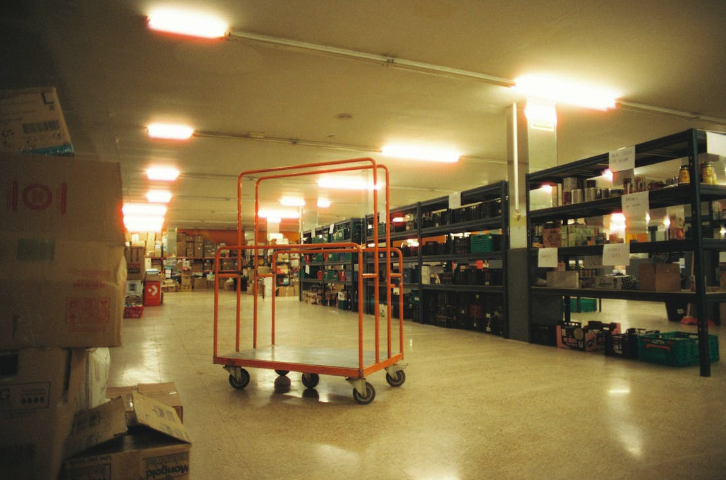
Most of us know how quickly warehouse space runs out. Stacks grow taller, and aisles shrink. Inventory starts to feel impossible to manage. Finding an extra room can seem like searching for a secret compartment—tricky but possible.
So, let’s talk practical fixes. Easy ideas you can actually use today, not next year after a major remodel.
Why Save Space?
The cost of warehousing has seen an upsurge in recent times, blaming it on factors like increased demands and supply chain delays that lead to stockpiles. Projections show this trend as likely to continue. In manufacturing, for instance, 60% of companies are said to expect an upward trajectory as far as their need for storage space is concerned.
Storage space is vital, and easy access remains paramount. Companies that are strategic at saving space not only reduce storage costs but also:
- Improve inventory visibility and control
- Boost operational productivity
- Enhance safety
- Allow room for future growth
- Lower utility and maintenance costs
Own A Warehouse? 7 Space-Saving Hacks to Try
From clever shelving tricks to smarter aisle layouts, these hacks help keep your floor clear and your workday smooth.
1. Maximize Vertical Storage with Pallet Racks
When managing a warehouse, you want one thing perhaps more than anything. Every square foot to count! Traditional shelving stops short, but pallet racks reach for the ceiling. Tall spaces become useful instead of wasted air. It’s a cost-effective solution that keeps stuff well within easy reach.
You pack in more inventory without spreading out or building new additions. Even tight corners find purpose this way. Many warehouse owners choose DIY pallet rack assembly since installation doesn’t require special tools or outside contractors.
If you’re installing new storage systems, a pallet rack assembly guide can help ensure your setup is safe, efficient, and optimized for available height.
2. Rethink Your Aisle Widths for Better Flow
You also want workers to move without bottlenecks or wasted steps. Wider aisles may feel safer, but narrower paths open up valuable real estate.
Most pallet jacks and forklifts handle tighter turns if you measure before shifting layouts. Even minor adjustments can boost both traffic flow and shelf space overnight.
3. Use Modular Shelving to Adapt Quickly
Not every item needs the heft of a pallet rack. Small boxes, tools, and odd shapes fit best on shelves that you can move or resize as needed. For light-duty operations without forklifts at play, modular units offer quick adjustments for shifting stock levels or seasonal peaks while making the most of tight floor space.
4. Stack Bins and Totes with Labeling in Mind
Label-first thinking is a simple hack worth trying. Clear, visible labels make picking fast…this while cutting down on misplacing items. Stacking bins or totes keeps things tidy, especially when you want quick access for restocks or orders.
Anyone growing an e-commerce store soon sees that inventory management relies on smart stacking just as much as shelf space itself.
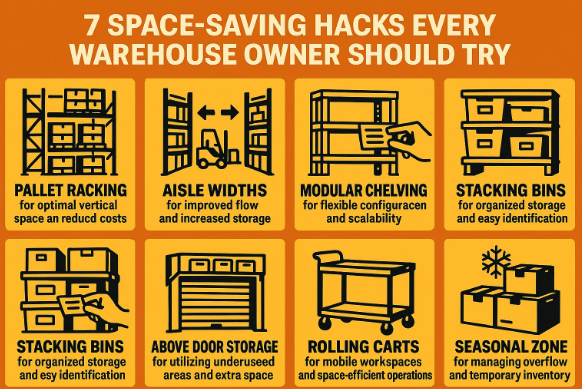
5. Convert Dead Space Above Doors and Docks
Those empty zones over doorways and loading docks rarely get used, but sturdy shelving turns them into valuable spots. Secure storage above these points keeps items safe yet handy for regular operations.
Try these quick upgrades:
- Install shallow racks that clear door swings
- Store only lightweight supplies up high
- Use color-coded bins for fast access
Here, each step transforms wasted air into a hardworking part of your warehouse layout.
6. Choose Rolling Carts Over Static Tables
Carts with wheels add flexibility you never get from fixed work tables. Tools, packing supplies, or even inventory shift easily wherever the workflow calls for it.
When space gets tight, just roll unused carts out of the way instead of letting a permanent table collect dust in a crowded corner or main aisle.
7. Reserve a Zone for Seasonal Overflow
Few things jam up daily operations faster than unplanned stock surges. Designating a small area just for peak-season items gives your regular inventory space to breathe. Mobile shelving or collapsible racks work well here.
This way, when facing inventory overflow issues, staff will always know exactly where to find those extra goods and returns without necessarily disrupting routine pick paths or long-term storage plans.
Key Takeaways
- Pallet racks help maximize storage by using vertical space
- Narrow aisles add shelf room without hurting traffic flow
- Modular shelves keep your operations flexible for shifting needs
- Clear labels and smart bin stacking speed up order-picking
- Overhead zones above doors can store lightweight stock
- Rolling carts free up crowded areas on demand
- A reserve zone eases seasonal pick headaches
Conclusion:
Every inch in a warehouse counts, so these simple changes make daily work lighter and less stressful. Well-managed space pays off each season, supporting steady growth and fewer headaches for those running the floor.