

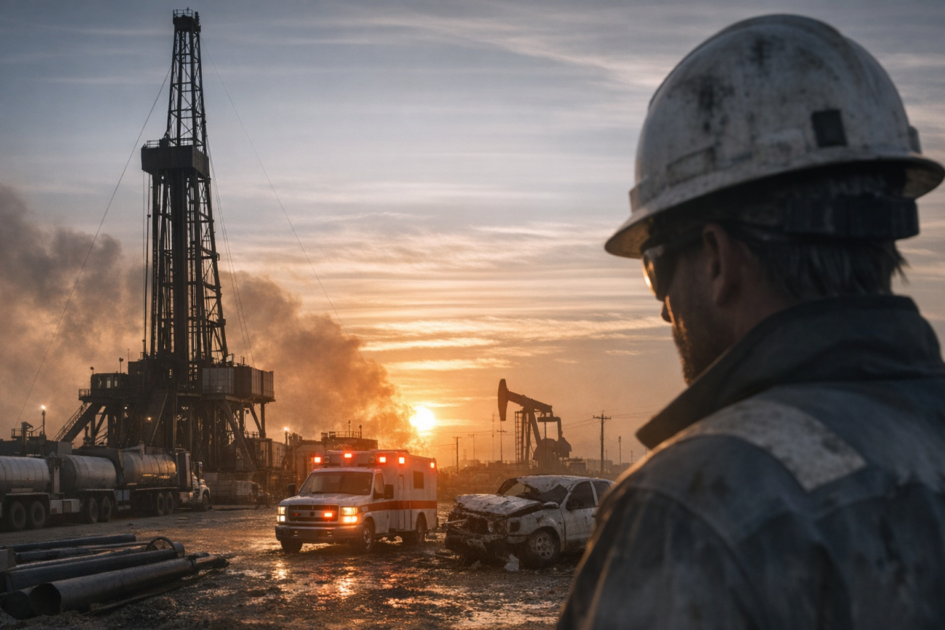
Oil rig accident Texas data paints a grim picture: about 30 Texas workers die each year, and many more suffer severe injuries. Oil and gas workers are about 8.5 times more likely to be injured in a motor vehicle accident than workers in other industries. The physical toll of oilfield injuries extends way beyond original trauma and affects oil workers and their families for years.
Understanding why oil rigs are dangerous and how dangerous working on an oil rig is starts with exploring the immediate physical injuries, the demanding nature of the work and the long recovery process. I’ll walk you through the physical demands of oil field work, common oil field accidents and oil rig injuries, and the rehabilitation trip that follows in this piece.
Physical Demands of Oil Field Work
Oilfield work places extreme physical and environmental strain on workers from day one. Oilfield positions just need extreme physical endurance from day one. Workers typically face 12-hour shifts in rotational schedules and often work 14 consecutive days before getting 21 days off. In some cases, they work 28 days straight, followed by 14 days off. Operations run 24 hours daily and require night shifts that disrupt natural sleep patterns.
Long Shifts, Heavy Labor, and Fatigue
The physical labor proves backbreaking. Roughnecks and roustabouts lift equipment weighing 50 to 80 pounds throughout their shifts. Tasks include heavy lifting and manually manipulating machinery while standing for extended periods and working at heights on drilling structures. The work leaves employees exhausted and covered in grease and mud.
Extreme Weather and Constant Hazards
Oil workers operate in all weather conditions, from extreme heat exceeding 100 degrees to freezing temperatures, which increase the physical demands. Heat has killed 137 workers nationwide since 2017 and hospitalized thousands more. Cold exposure creates additional risks. Frostbite can occur in as little as 30 minutes when 40-degree temperatures combine with 30-mph winds.
Slippery surfaces, moving machinery parts, and the risk of fires or explosions create a hazardous setting. Workers must maintain mental alertness despite physical exhaustion to follow safety protocols. The repetitive nature of tasks increases the risk of musculoskeletal injuries.
Immediate Physical Injuries From Oil Field Accidents
Oil field accidents cause catastrophic and often life-altering injuries. Equipment failures or accidents cause devastating injuries. Machinery pins workers between components or strikes them with falling parts. The result is crushing injuries, broken bones, internal organ damage, and traumatic amputations. Emergency surgery becomes necessary, and some workers never return to their previous jobs.
Crush Injuries, Burns, and Falls
Fires and explosions rank among the most catastrophic oil field accidents. Workers suffer thermal burns, chemical burns from drilling fluids and acids, nerve damage, and respiratory injuries from smoke exposure. Burn injuries lead to permanent scarring and ongoing medical treatment. Arc flashes generate temperatures reaching 35,000 degrees Fahrenheit and cause burns even at a distance.
Falls from heights cause serious trauma. Elevated work platforms present significant risks, as 52% of fatal falls occurred from heights exceeding 30 feet. These incidents result in traumatic brain injuries and spinal cord injuries that lead to paralysis. Fractures require long recovery periods and chronic pain follows.
Electrical Exposure, Toxic Gases, and Vehicle Crashes
Workers contact energized electrical systems or overhead power lines and suffer electrocution accidents. These cause cardiac arrest, respiratory failure, electrical burns, and brain damage. Chemical exposure to hydrogen sulfide creates immediate life-threatening conditions. Concentrations below 10% oxygen can cause loss of consciousness and death within seconds.
Motor vehicle crashes remain the leading cause of oilfield fatalities and account for 28% of all work-related deaths in this industry.
Recovery and Physical Rehabilitation After Oilfield Injuries
Recovery from oilfield injuries extends way beyond the original hospital stay. Getting medical help fast improves your chances of complete recovery, but delays in seeking treatment can undermine compensation claims since insurance companies may argue injuries aren’t as severe as reported. Some injuries don’t show symptoms right away and take days or weeks to present themselves.
Medical Treatment, Documentation, and Delayed Symptoms
You heal faster and avoid complications when you follow your doctor’s orders and attend all appointments. Workers often face extended time away from work and experience lost wages that workers’ compensation doesn’t replace. Medical bills add up fast, even with coverage, as surgery and physical therapy may not be covered.
For injured oilfield workers in Texas, financial pressure often starts long before full recovery. While private short-term disability or temporary income benefits may help bridge that gap, the Texas short-term disability claims process quickly becomes important once a worker realizes how fast lost wages and treatment costs can pile up. ConsumerShield explains how temporary disability benefits work in Texas and can help connect injured workers with attorneys if a claim is delayed, denied, or disputed.
Long-Term Rehabilitation and Financial Strain
Long-term rehabilitation can be financially devastating. Some injuries require years of physical therapy and psychological counseling. Cases with severe or catastrophic injuries take longer to resolve because settlements need to account for future medical expenses and lost earning capacity. Detailed rehabilitation services tailored to specific needs include access to specialized healthcare professionals and financial assistance during periods when you can’t work.
Personal injury claims provide additional compensation for economic damages that cover out-of-pocket expenses and future lost earnings beyond workers’ compensation.
Why Recovery Support Matters After an Oilfield Injury
The physical dangers of oilfield work extend way beyond the statistics. Workers face extreme physical demands, life-threatening accidents, and lengthy recovery periods that strain both their bodies and finances. The toll on workers and their families is substantial. Some injuries cause permanent disabilities. You need to understand your rights to workers’ compensation and personal injury claims if you suffer an oilfield injury. Proper medical care and legal support can make the difference in your recovery experience.