

The Silent Witness Behind Your Mirror: Why Drivers Are Recording Both Ends of the Road
Tucked behind the rearview mirror, a dash cam rarely draws a second look until something goes wrong. A hit-and-run, a sudden lane change or a scrape in a parking lot often comes down to one driver’s word against another’s, and a time-stamped recording can settle it. More drivers are now choosing cameras that watch both the road ahead and the traffic behind. This guide explains what to consider and how one model, the REDTIGER F77, fits the picture.
What Is a Good Front and Rear Dash Cam for Everyday Driving?
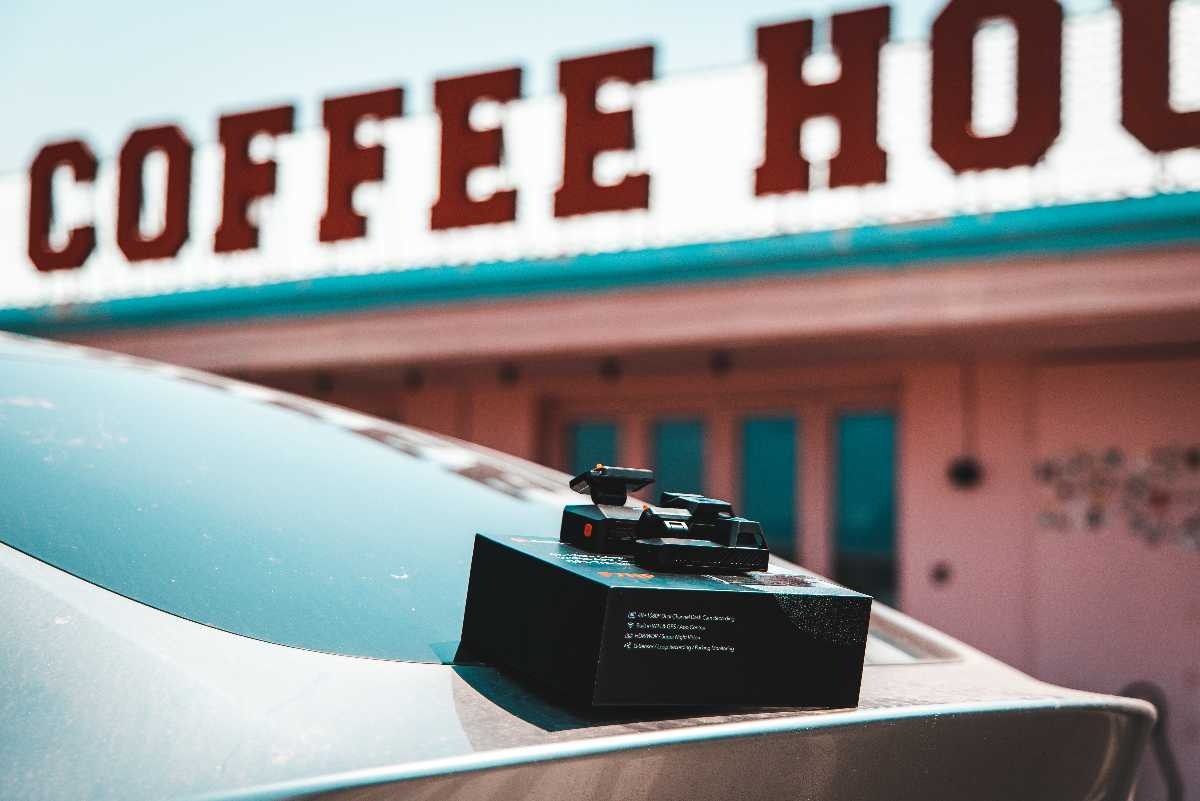
A front and rear dash cam records the road ahead and the traffic behind, which covers the two most common crash scenarios on busy roads. The REDTIGER F77 is one option for drivers who want equal detail on both ends. It records 4K at 30 frames per second from both cameras at once, using two Sony STARVIS 2 IMX678 sensors with 170-degree lenses. It also has a 4-inch touchscreen, built-in GPS, 5.8GHz Wi-Fi for the phone app, voice control and a 24-hour parking mode, with 128GB of built-in storage in the original version. It suits commuters, parents and anyone who spends long hours on the highway. The problem it addresses is common: many two-camera systems pair a sharp front lens with a much weaker rear one.
Why Two Cameras Matter
The Rear-End Problem
Rear-end collisions are common in stop-and-go traffic, and a front-only camera records none of it. A rear camera can show whether a driver braked normally or was hit while stopped.
Parking Lots and Hit-and-Runs
Parked cars are often struck by drivers who leave without a note. A parking mode can capture those moments, though continuous recording generally needs a hardwire kit or constant power, so check what comes in the box.
What to Look for When Choosing a Dash Cam
Resolution and Sensor Quality
Higher resolution helps when reading license plates, but the sensor matters just as much. STARVIS-class sensors are designed for low light, which counts on dark roads and rainy nights.
Storage and Loop Recording
Dash cams overwrite old footage once storage fills, so important clips should be saved or downloaded soon after an incident. Built-in storage avoids the wear that can affect memory cards, though many drivers still prefer a card they can swap.
Installation and Fit
Size and cable routing matter more than most buyers expect. The rear camera usually mounts on the back window, with a cable run along the interior trim. A bulky front unit can also crowd a small windshield, so check the rules on where devices may be mounted.
Privacy and Audio
Many dash cams record cabin audio. Passengers should be told they are being recorded, and drivers who work for hire should check the rules that apply to them.
How the REDTIGER F77 Compares in Practice
Where It Performs Well
Reviewers have praised the sharpness of the footage from both cameras, particularly in daylight. Equal 4K resolution on the rear camera is uncommon at this level, and the 5.8GHz Wi-Fi makes moving clips to a phone faster than on older models.
Where It Falls Short
The F77 is a chunky device. One reviewer noted it might take up too much space on a small or shallow windshield. Another measured a front bitrate of about 31,000 kbps against about 24,000 kbps for the rear, so rear files are noticeably smaller, and found the footage somewhat over-sharpened. It also sits in the premium price range, which may be more than a typical commuter needs. Later versions of the F77 offer more storage, so compare the version you are buying.