

Shot down over North Korea, home through Panmunjom: a Lewisville-born airman who taught Texarkana-area kids math
George Barmes was shot down over North Korea in 1953, came home through Panmunjom and later taught math in Foreman, Fouke, Hooks and Redwater.
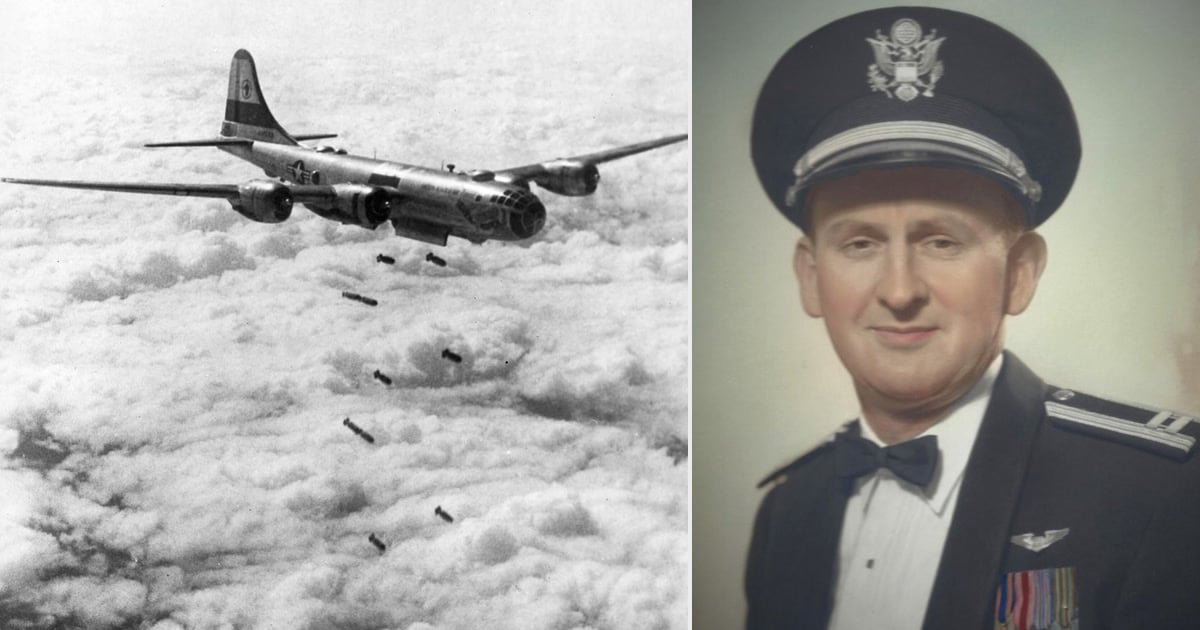
On his third combat mission over North Korea, George Franklin Barmes Jr. parachuted into the snow at night and landed in a camp of Chinese soldiers.
That summer he came home through Panmunjom, 40 pounds lighter. He went on to serve about 19 years on active duty in all, then taught math to students in Foreman, Fouke, Hooks and Redwater.
Barmes told his story in a December 2011 oral history interview recorded in Texarkana for the Library of Congress’ Veterans History Project. The interview was conducted by Lisa Shoalmire with the Texas Court Reporters Association, and the full transcript is public. Unless noted, the account below comes from that interview.
Lewisville, Camden and the Air Force
Barmes was born April 23, 1924, in Lewisville, in Lafayette County. His parents moved to Camden when he was 2, and he grew up there. His father had served in the Navy in World War I.
He was drafted at 18 and reported in early 1943. At the induction center, the man who interviewed him turned out to be his junior high science teacher. “George, you don’t want to go into the Army,” Barmes remembered him saying. The teacher steered him to the Army Air Forces, where he served through the end of World War II.
Article continues below
▼ Continue reading
After a short time out, he reenlisted in June 1948 at the recruiting station in Texarkana, the closest one, he said. He trained as an aircraft mechanic, went through officer training at Lackland in San Antonio and was commissioned a second lieutenant, then trained as a navigator and radar operator. He married in October 1952 and, back at his base, found orders for Okinawa, where B-29 bombers were flying missions over North Korea.
Shot down, Jan. 10, 1953
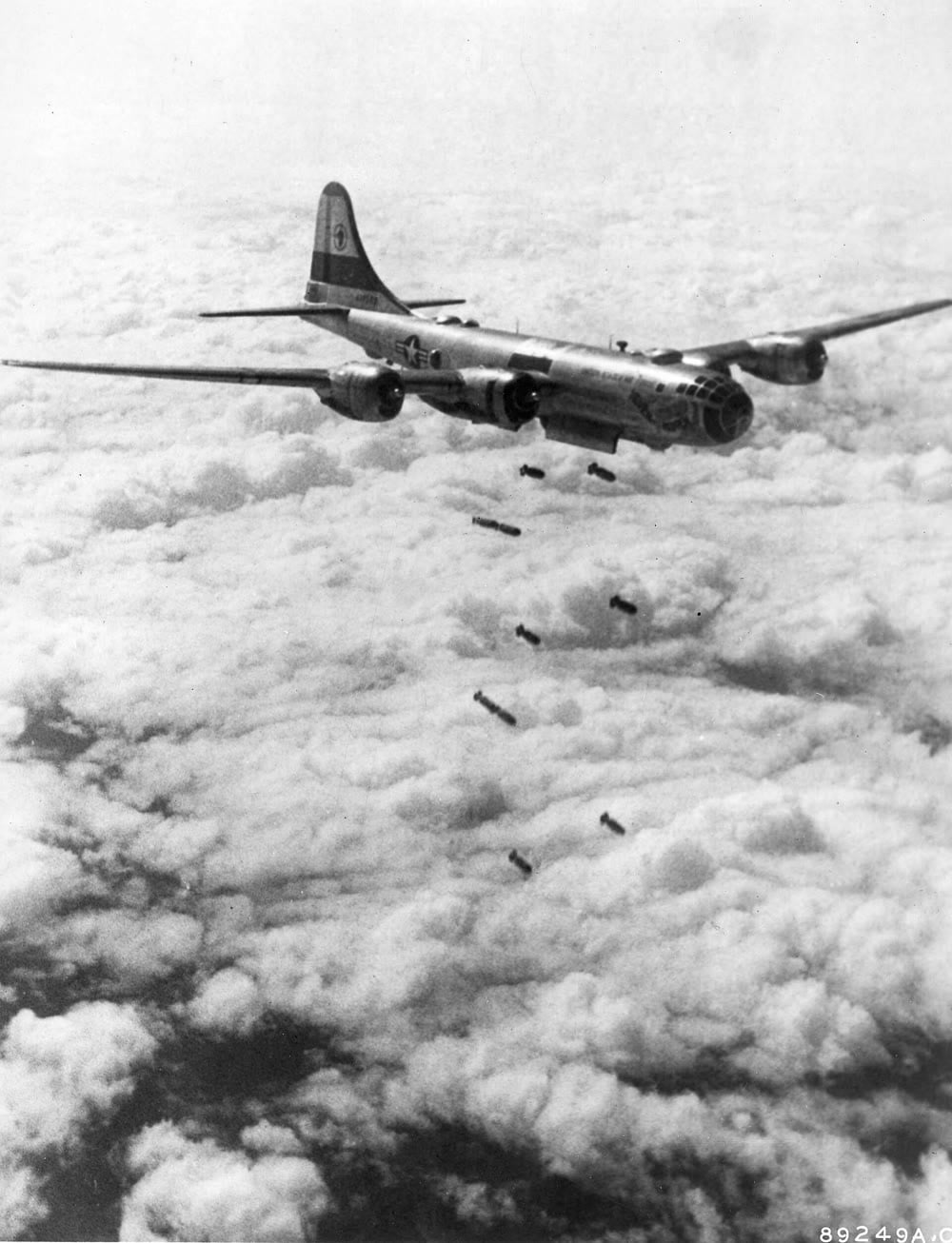
Barmes joined a B-29 crew as a replacement radar operator. His first two missions supported front-line troops. The third, on the night of Jan. 10, 1953, was aimed at a railroad yard. Searchlights locked onto the bomber, and a jet fighter’s cannon fire hit an engine, he said. It was about 9 p.m. The fire spread as the pilot dove for thicker air, and the crew bailed out. Everyone got out except the pilot.
Barmes landed in 8 to 10 inches of snow in a small valley, brushing a telephone wire on the way down. Guards fired a shot, and soldiers poured out of dugouts in the hillside. They were Chinese, and they treated him decently that first night, he said. One gave Barmes his spare coat. Some of his crewmates who were caught by North Koreans were beaten, he said he learned later.
He was moved by truck and on foot, and for about two months he was kept alone in a narrow space at one end of a Korean family’s hut on a hillside, he said. He ate a bowl of rice twice a day. Later he was questioned, then put in a compound where 28 prisoners slept on the floor of one hut, legs overlapping.
Home through Panmunjom
After the armistice, the prisoners were trucked to a railhead, loaded about 20 to a boxcar and taken south through Pyongyang to Panmunjom, Barmes said. After about 10 days on the north side of the line, his name was called.
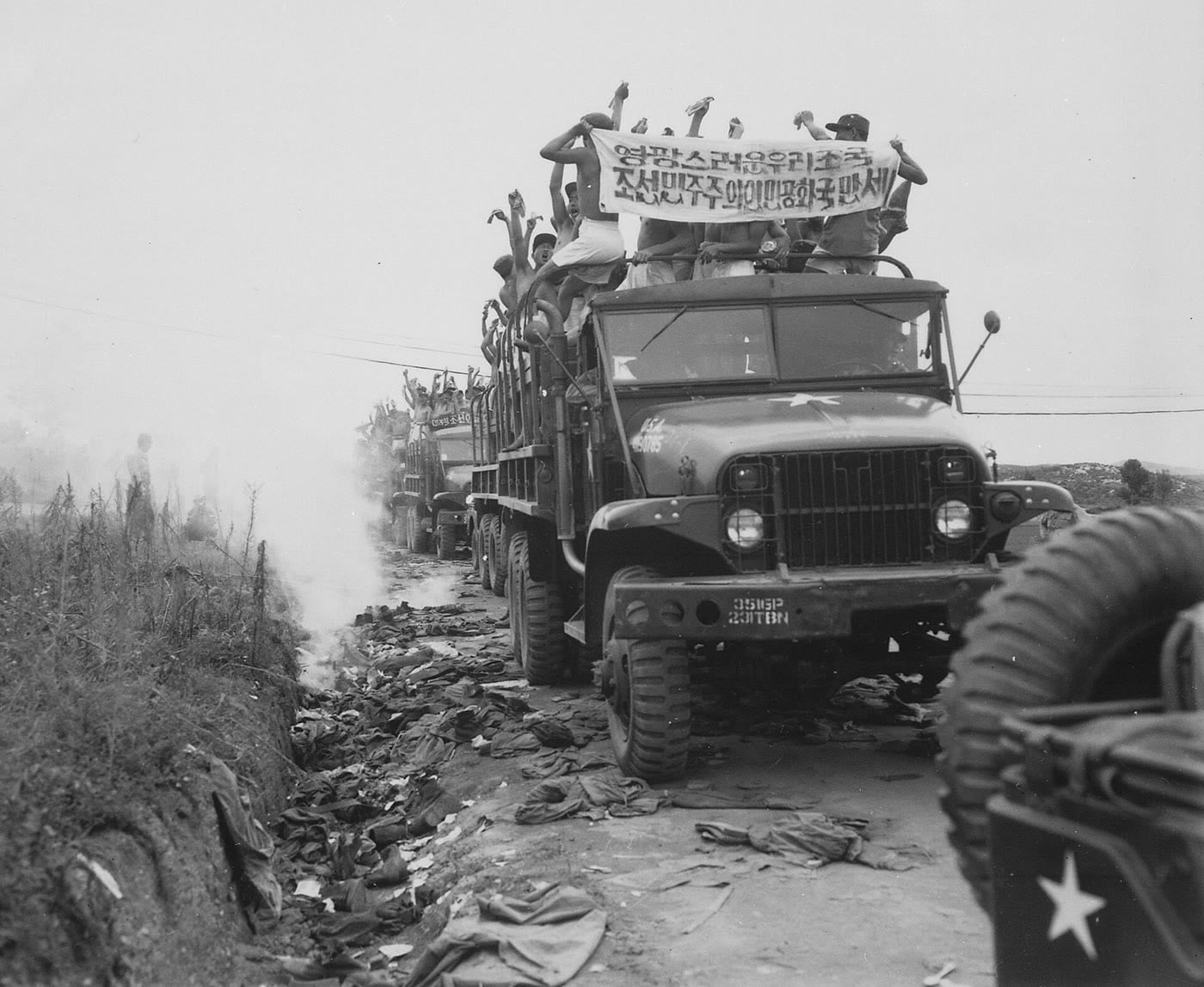
On the way across, his truck rolled over piles of uniforms, boots and hats in the road. Barmes said communist prisoners returning north from American camps had been made to strip and leave their new clothes behind. A National Archives photo from the exchange, known as Operation Big Switch, shows the same scene.
Asked how he felt that day, Barmes answered: “Elated, happy, glad it was over with.”
He was flown by helicopter to Inchon, sent his wife a form telegram and sailed 15 days to San Francisco, where his wife and family met him when he got off the ship. He weighed 125 pounds when he boarded the ship, he said, about 40 pounds below his normal weight.
A second career in local classrooms
Barmes left active duty in early 1954 and earned an industrial management degree at what is now Southern Arkansas University in Magnolia. He returned to the Air Force in 1958, worked in aircraft maintenance and training, and was sent to Taegu Air Base in South Korea in January 1968. He also served during the Vietnam War out of Tan Son Nhut Air Base, according to his obituary. He retired as a major in May 1969.
He chose Texarkana for retirement because it was close to his and his wife’s parents, had a junior college and was growing, he said. Texas having no state income tax helped, too.
He earned a teaching certificate and taught math for a year at Foreman, five years at Fouke, two years of junior high math at Hooks and five years at Redwater, retiring after the spring of 1984. He went back to Hooks in 1985 to finish a year for a teacher who had quit, he said.
For his service in Korea he received the Air Medal. The Prisoner of War Medal, created in the 1980s, came in the mail in 1987 after his son, an Air Force master sergeant, told him he could apply, Barmes said.
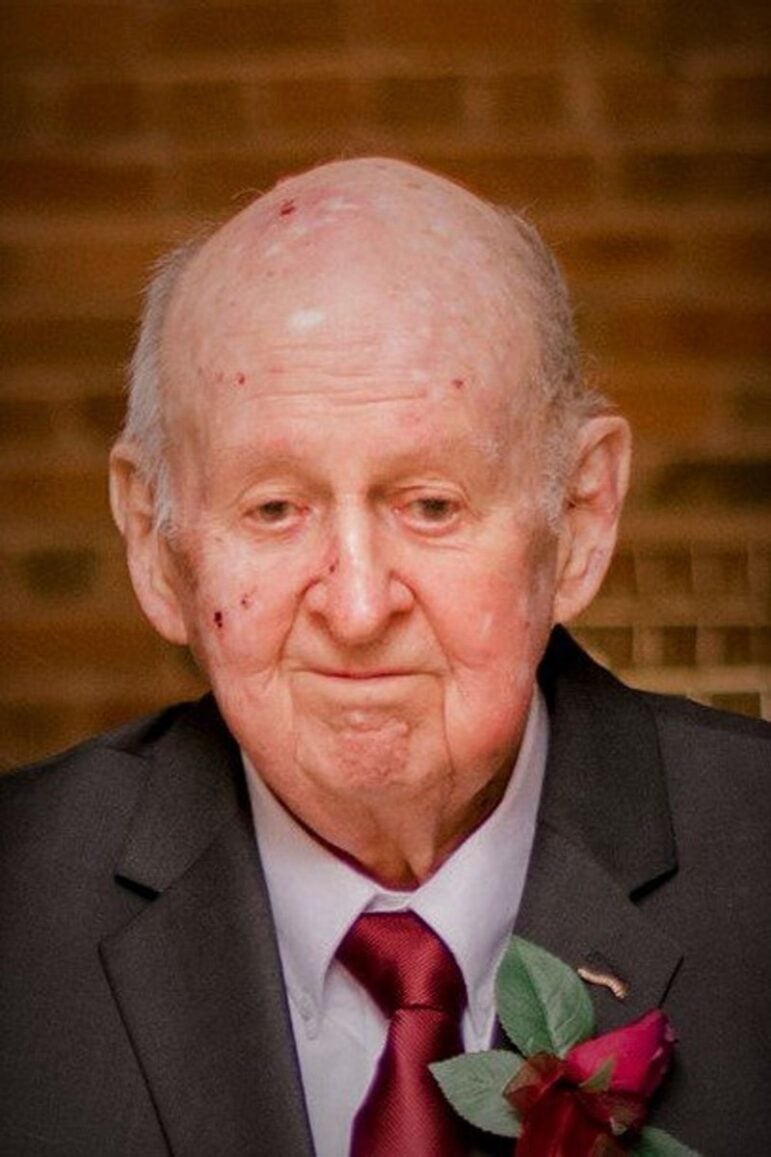
George and Patsy Barmes, married 64 years, moved to Bossier City, La., in 2016 to be cared for by their son and daughter-in-law. Patsy died that year. George Barmes died March 28, 2020, in Bossier City, after spending his final months at the Northwest Louisiana Veterans Home. He was 95. He is buried at Hillcrest Cemetery in Texarkana.
His family remembered him for “his kindness, goodness, patience and friendship and especially for his wit and sense of humor,” his obituary said. It pointed readers to his Library of Congress interview to learn about his time as a prisoner of war.
Sources
- Library of Congress, Veterans History Project: George Franklin Barmes Jr. Collection (AFC/2001/001/83604)
- Interview transcript, George Franklin Barmes Jr., Dec. 2011, Texarkana, Texas
- National Archives 520998: Return of prisoners of war during Operation Big Switch, Panmunjom, Korea, Aug. 12, 1953
- U.S. Air Force photo: B-29 over Korea, August 1951 (via Wikimedia Commons)

Did you know George Barmes, or did he teach you math at Foreman, Fouke, Hooks or Redwater? Do you have photos of him? TXKtoday would like to hear from you. Contact us here.