

A person can cross a state border in a matter of minutes. For a sports betting app, that short journey can make all the difference between an accepted wager and a rejected one.
The change came into focus in 2018, when the US Supreme Court overturned the federal ban on sports betting. States were free to regulate the activity themselves, but operators faced a new challenge: they had to make sure every bet came from a place where it was legally permitted. Location verification became part of the solution. Companies such as Vancouver-based GeoComply developed technology that allows betting platforms to establish where a device is being used.
Most customers only become aware of this system when something goes wrong. A location check fails, a game becomes unavailable or a bet is declined. Yet behind that brief notification is a process that plays a central role in keeping regulated online gambling within legal boundaries.
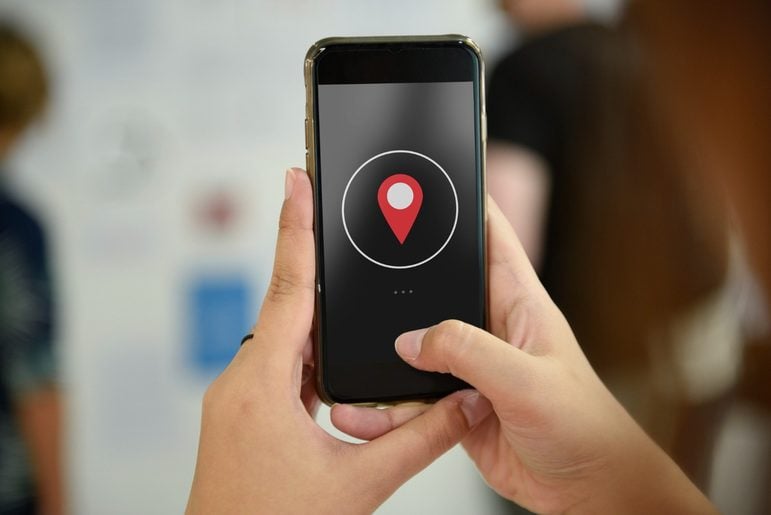
Why a Gambling Licence Is Tied to Location
Gambling regulations don’t follow the same rules everywhere. A licence is valid within a specific jurisdiction, which means operators have to know where their customers are before accepting bets. A platform available in one state or province may not be permitted to offer the same services just across the border.
This became particularly important in the US after the Supreme Court’s 2018 decision gave states the freedom to set their own sports betting laws. The result was a market with different requirements depending on the state. Canada has a similar provincial approach. Ontario launched its regulated online gambling market in April 2022, while other provinces rely on their own frameworks, including government-run lottery systems. For operators, a player’s physical location determines which services they can legally make available.
Article continues below
▼ Continue reading
How Does an App Establish Your Location?
Location verification systems compare several sources of information, each with its own strengths and limitations.
GPS can provide a fairly precise position outdoors, but its accuracy may drop inside buildings. Wi-Fi positioning uses nearby wireless networks to estimate where a device is. Mobile network data offers a broader indication based on cell towers, while an IP address can suggest a general area but is rarely precise enough on its own.
Combining these signals makes it harder to misrepresent a device’s location. A VPN, for example, can change the IP address visible to a website, but it does not automatically alter GPS or nearby network information. If the signals contradict one another, a gambling app may block access until the discrepancy is resolved.
Location Can Change More Than Access
Geolocation can affect much more than access to a gambling platform. Depending on where a player connects from, the app may display a different selection of games, offer alternative payment methods or use another currency. These differences are often linked to licensing arrangements and local market restrictions: game providers don’t necessarily distribute every title in every region, and operators have to adjust their services accordingly.
The same applies to promotions. An offer like the katsubet 5$ chip may be restricted to specific countries, even if players elsewhere can see the same promotion advertised. Its terms determine who is eligible to claim it. That’s why two people visiting the same website can come across different bonuses or payment options. The platform uses location data to show what’s available under the rules of each market.
When Location Checks Get It Wrong
Geolocation systems are designed to prevent access from restricted areas, but they aren’t infallible. A player may be physically in an eligible location and still fail verification.
The reasons are often quite ordinary. GPS signals can struggle indoors, particularly in large buildings. Someone living close to a state or provincial border may also be placed on the wrong side of it. Disabled location permissions, outdated software or a Wi-Fi network associated with another city can cause similar problems.
A few basic checks can resolve many of these issues:
- Make sure location services are enabled and that the app or browser has permission to use precise location.
- Turn off VPNs and proxy services before opening the platform.
- Try moving closer to a window or switching between Wi-Fi and mobile data.
- Check whether the app needs an update.
If access is still blocked, contacting customer support is usually the next step. The operator may be able to explain which part of the verification process failed. That is more useful than repeatedly trying to place a bet without knowing what is causing the problem.
Why Location Verification May Happen More Than Once
Passing a location check at login doesn’t guarantee uninterrupted access. Some platforms verify a player’s position throughout a session, so a bet may be declined if they cross into another jurisdiction. Location prompts are therefore not necessarily a warning sign; they can be part of an operator’s legal obligations. Still, players should know who processes their location data, why it is collected and how long it is retained.
– In collaboration with casinoshunter.com